Finished Goods Inventory Limit: Stop Stacking Large Batches on the Floor
Set a visible cap for finished goods so teams reuse the same flow rule instead of building piles.

- Creator
 WillytheMinimalist
- Company
 Southwest Steel Buildings
- Wastes
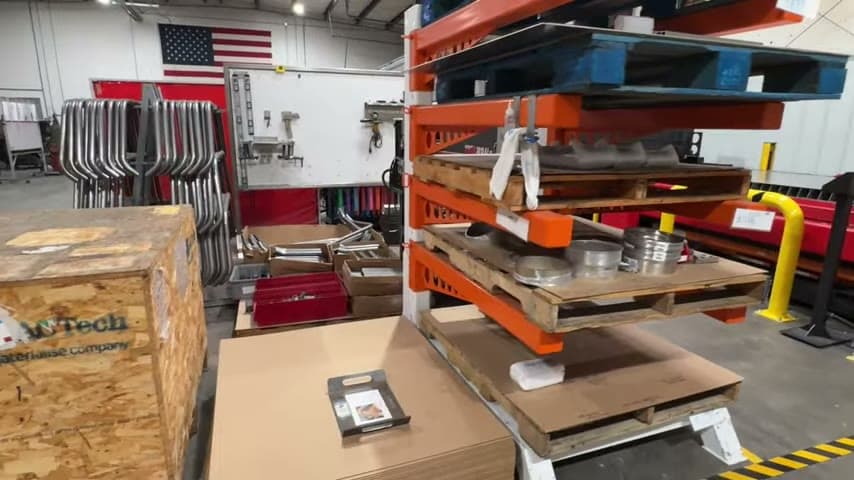
Before Lean, finished goods were stacked in large floor batches. The pile created excess inventory, extra handling, and waiting because production kept building past what the next step needed.
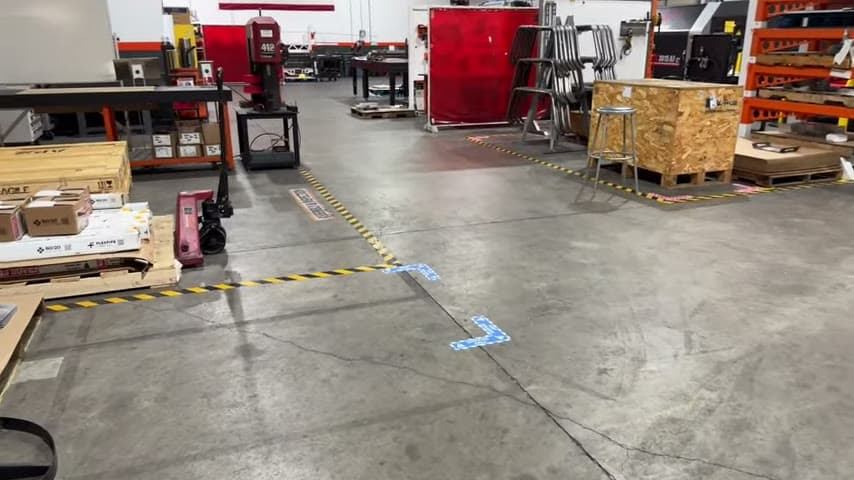
The team limited how much finished goods inventory could sit on the floor. The machine area also had clear ownership, so issues and improvements had one path for follow up.
Make the correct inventory limit visible and reusable.
What is a Finished Goods Inventory Limit?
A finished goods inventory limit is a defined maximum for completed product allowed at the point of work. It replaces the habit of stacking large batches just because the floor has room.
The limit captures a proven decision about how much is enough. Operators do not have to guess, and each shift does not have to solve the same inventory question again.
The limit also mistake-proofs against overproduction. When the area reaches the cap, excess output is visible as an abnormal condition instead of becoming another accepted pile.
Why it works
A visible inventory limit turns local know-how into a shared standard that adds value by keeping work tied to need.
- Reuses the team's best-known finished goods quantity instead of letting every person decide again.
- Adds value by keeping attention on flow, not on building inventory that is not yet needed.
- Mistake-proofs against large batches by making anything over the limit easy to see.
- Exposes waiting or downstream constraints sooner because the pile can no longer grow without a response.
Evidence: The transcript says that prior to Lean, finished goods were stacked very high, and the improvement statement says the team now limits finished-goods floor inventory instead of stacking large batches.
How to create this idea
- 1Assign ownership
Name the person or role responsible for the machine or finished goods area. Make issues and improvement ideas flow through that owner.
- 2Define the cap
Decide the maximum finished goods quantity that should sit on the floor. Base it on the next process or shipping need, not on available floor space.
- 3Make it visible
Show the normal location and maximum amount in a way operators can check at a glance. The limit should not depend on memory.
- 4Use it as a stop signal
When finished goods reach the limit, treat more production as abnormal. Ask what is blocking flow before adding to the pile.
- 5Review the rule
Update the limit when demand, product mix, or process capability changes. Keep the standard useful so people continue to trust and reuse it.
Best used when
- finished goods piles
- large batches
- machine areas
- floor inventory
- unclear ownership
Less useful when
- one-off work
- no repeat demand
- uncontrolled scheduling
- unknown downstream need
Tags
- Problem
- inventorytransportationwaiting
- Lean methods
- visual managementstandard workpull
- Application
- finished goodsfloor inventorymachine area
Captured from WillytheMinimalist at Southwest Steel Buildings in the video "Southwest Steel Buildings Lean Tour", at 00:01:47. On Lean Toolbox. Watch the original video on YouTube ↗