Two Buffer Carts Limit Subassembly WIP Before Final Assembly
A fixed two cart buffer makes the stop rule visible: when both carts are full, upstream subassembly stops building.

- Creator
 WillytheMinimalist
- Company
- Hunter Trim & Cabinets Inc.
- Wastes
Subassembly can build too far ahead of final assembly, creating excess work in process, taking space, and hiding timing problems between processes.
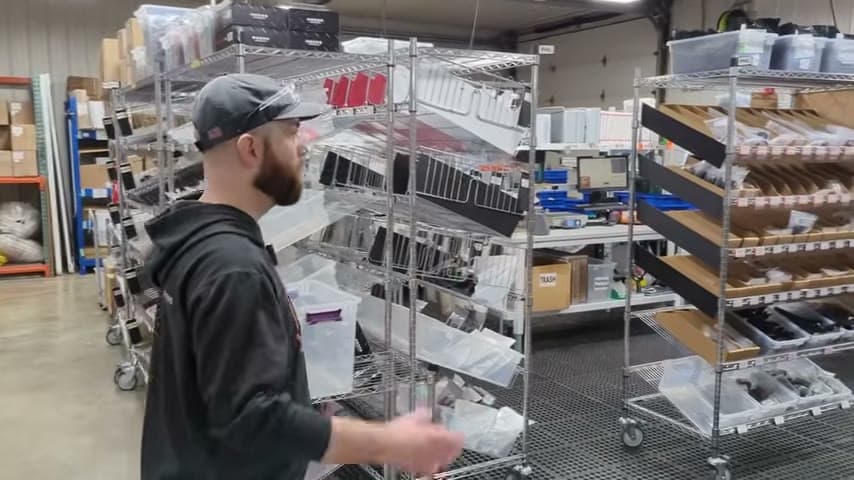
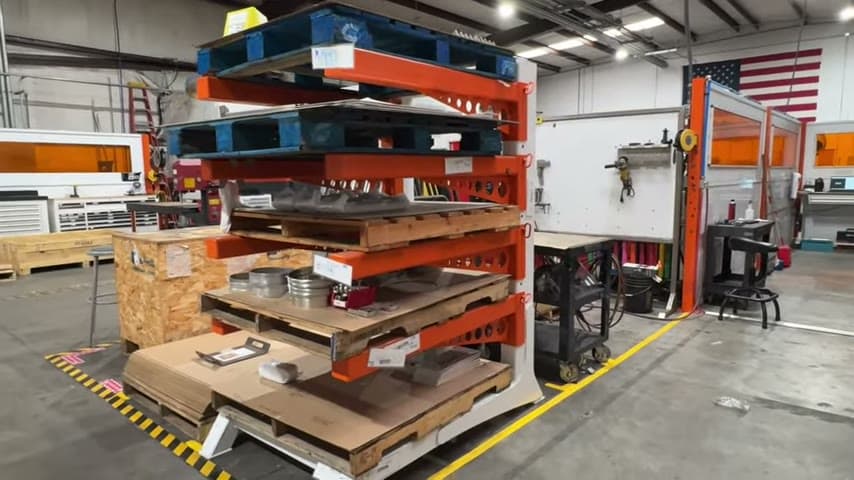
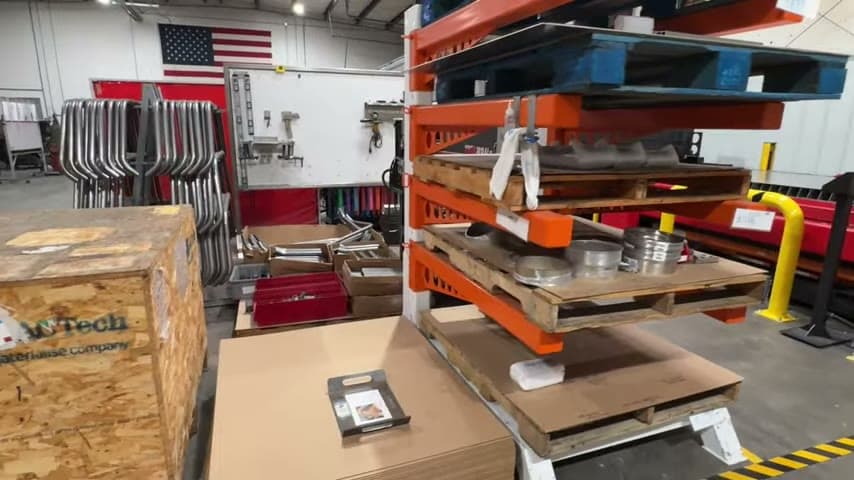
The team uses two buffer carts as the physical WIP limit for cabinet subassemblies. Work is released to subassembly the day before, the team stays about five to ten cabinets ahead, and building stops when both carts are full.
Make the proven WIP limit visible so the same flow rule is reused every day.
What is a Two Buffer Carts Limit Subassembly WIP Before Final Assembly?
A two buffer cart WIP limit is a simple pull control between subassembly and final assembly. The carts are not just storage, they define how much work in process is allowed before upstream work must stop.
In this example, cabinet subassemblies are released the day before and held in a small buffer. The transcript describes this as space budgeting, the available cart space sets the allowed amount of work.
When both carts are full, the signal is clear. Upstream builders stop instead of making more subassemblies and creating extra inventory.
Why it works
The carts turn a proven buffer rule into visible knowledge that operators can reuse without guessing.
- Reuses knowledge by making the correct WIP limit physical and easy to see.
- Adds value by keeping enough subassembly ready to support downstream work without allowing unlimited overproduction.
- Mistake proofs the release decision because full carts mean stop building, not keep producing because time or material is available.
- Exposes timing and balance problems sooner instead of burying them under extra cabinets in process.
Evidence: The transcript says work is released to the subassembly set the day before, the team stays about five to ten cabinets ahead, and if both carts are full, they have to stop.
How to create this idea
- 1Choose the handoff
Pick the point where upstream subassembly feeds a downstream assembly process and extra WIP tends to collect.
- 2Set the buffer size
Decide the small amount of staged work needed to support flow. In the source example, the buffer is two carts holding about five to ten cabinets.
- 3Use carts as the limit
Stage subassemblies only on the designated material handling carts. Do not create overflow staging that hides a full buffer.
- 4Write the stop rule
Make the rule simple: when both carts are full, upstream building stops until downstream work creates space.
- 5Release by timing
Release subassembly work on a planned cadence, such as the day before, so the buffer supports the assembly schedule.
- 6Review the signal
If the carts are often full or often empty, treat that as useful knowledge. Adjust timing, balance, or the buffer standard rather than ignoring the signal.
Best used when
- subassembly handoffs
- cabinet assembly
- repeated builds
- timed release
- visible WIP control
Less useful when
- one time work
- unstable routing
- unknown demand
- no fixed handoff
Products and tools mentioned
- Material handling cart: Used as the physical buffer and WIP limit for staged subassemblies.
Tags
- Problem
- inventoryoverproductionwaiting
- Lean methods
- WIP limitpull systemvisual management
- Application
- subassemblyassemblymaterial flow
Captured from WillytheMinimalist at Hunter Trim & Cabinets Inc. in the video "Lean Tour of Hunter Trim & Cabinets Inc.", at 00:03:23. On Lean Toolbox. Watch the original video on YouTube ↗