Small Batch Awning Delivery: Deliver One or Two at a Time Instead of Building a Waiting Batch
Release completed awnings to the customer in small lots so finished work becomes billable instead of sitting in a waiting pile.

- Creator
 WillytheMinimalist
- Company
 Southwest Steel Buildings
- Wastes
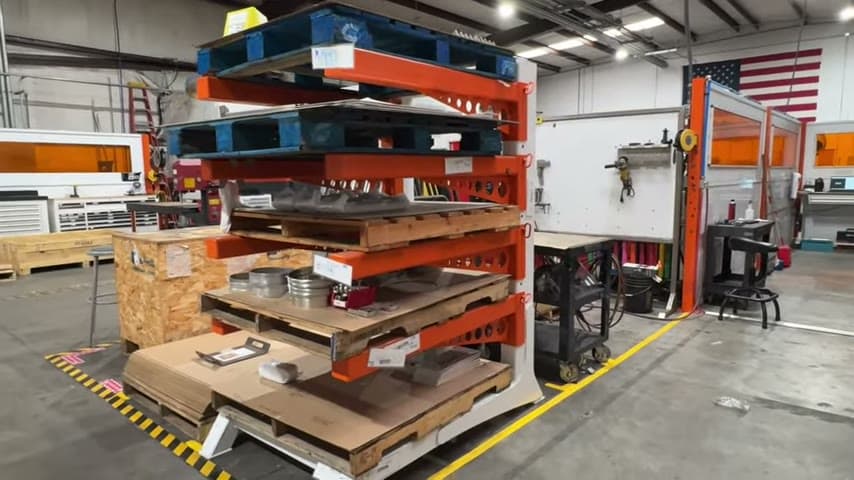
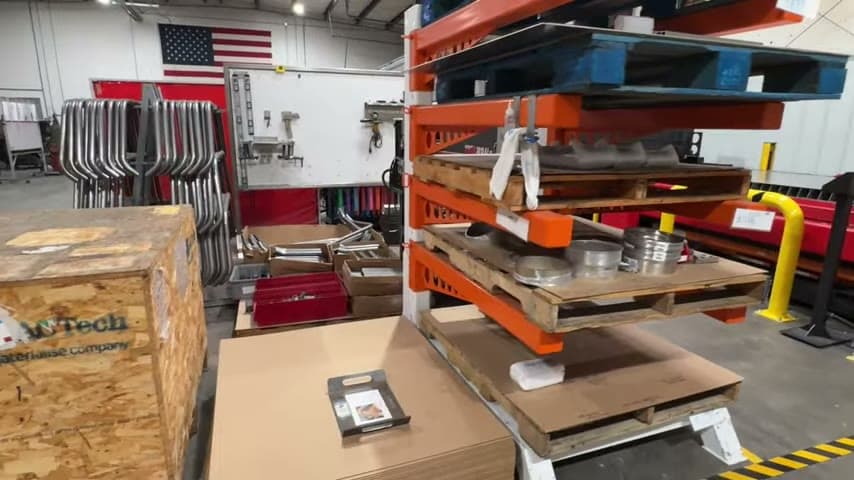
Completed awnings were building up as a waiting batch. While the material sat in the business, the customer had not received it, so the work could not be invoiced or converted to cash.
Deliver one or two awnings at a time as they are ready instead of continuing to build a larger finished-goods batch.
Make the proven delivery rule visible and reuse it to keep value flowing.
What is a Small Batch Awning Delivery?
Small batch awning delivery is a standard release rule for finished work. When one or two awnings are ready, they move to the customer instead of waiting for a larger batch to form.
The key distinction is that finished material is not yet value if it is sitting in the shop. In the transcript, the team explains that the business can only convert the work to cash when the customer receives the material and it can be invoiced or paid.
The rule also captures a better way to work. Instead of each job drifting back into a mountain of waiting inventory, the team reuses the same simple decision, deliver the next one or two ready awnings.
Why it works
This works because the delivery knowledge is turned into a repeatable standard that adds value sooner and prevents the old batching error.
- Knowledge reuse: the team does not have to re-decide the delivery pattern on every order. The known standard is to release one or two ready awnings.
- Added value: customer receipt is the point where the work can be invoiced or paid, so small deliveries move finished work to the value point sooner.
- Mistake-proofing: a small release rule makes it harder for finished awnings to disappear into a large waiting pile.
- Flow visibility: any growing pile of completed awnings becomes a clear signal that the standard is not being followed.
Evidence: The transcript says the business can only convert material to cash when the customer receives it, and that delivering one or two at a time creates constant cash flow instead of a mountain of waiting.
How to create this idea
- 1Find the waiting pile
Identify where completed work sits before the customer receives it. Treat that pile as inventory and waiting, not as completed value.
- 2Set the release rule
Define the smallest practical delivery quantity. In this case, the rule is to deliver one or two awnings at a time.
- 3Deliver when ready
When the release quantity is complete and ready for the customer, send it. Do not wait for unrelated awnings to finish just to make a larger batch.
- 4Connect to invoicing
Make the delivery event the trigger for the invoice or payment step when that fits your process. This links production flow to cash conversion.
- 5Review every buildup
If completed awnings start stacking up, ask why the small delivery rule was not used. Fix the cause so the same batching mistake is not repeated.
Best used when
- finished goods waiting
- custom fabrication
- customer deliveries
- cash tied in inventory
- repeatable orders
Less useful when
- customer requires full batch
- single installation event
- delivery constraint required
- legal hold required
Products and tools mentioned
- Awning: Finished customer product delivered in one or two units instead of held in a waiting batch.
Tags
- Problem
- inventoryoverproductionwaiting
- Lean methods
- small batchflowstandard workvisual management
- Application
- deliveryfabricationcash flow
Captured from WillytheMinimalist at Southwest Steel Buildings in the video "Southwest Steel Buildings Lean Tour", at 00:05:08. On Lean Toolbox. Watch the original video on YouTube ↗