Let Technicians Handle Customer Service Calls Directly
Route customer questions to the people who actually do the work so answers are accurate the first time.
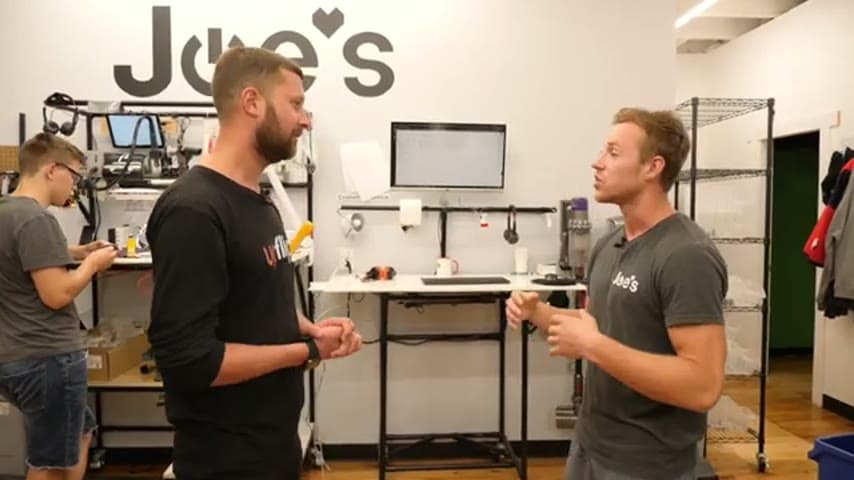
- Creator
 UpFlip
- Company
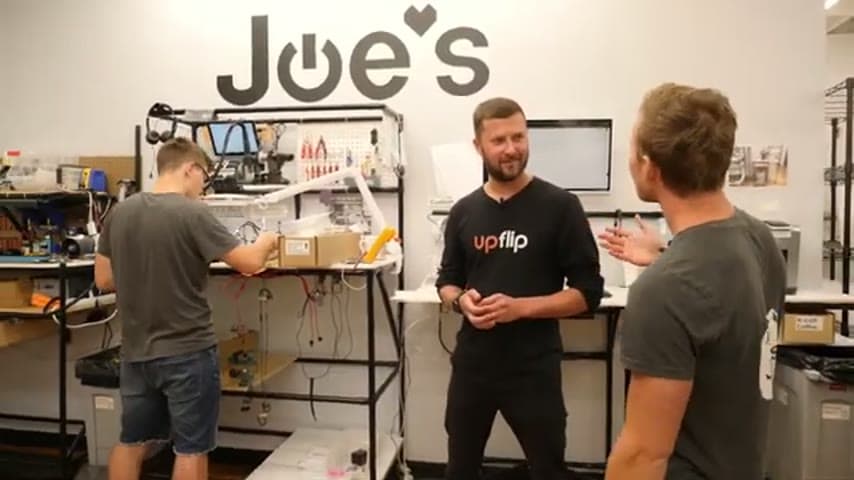
- Joe's Gaming and Electronics
- Wastes
Customer service agents relay questions to and from technicians, adding delay and losing detail. Customers talk to someone who cannot answer their technical question, so response quality suffers.
The team had technicians become customer service agents. Customers now talk directly to the person who is actually fixing the problem, which lets them get accurate answers in one conversation.
Put the work knowledge at the point of customer contact instead of relaying it through a middle layer.
What is a Let Technicians Handle Customer Service Calls Directly?
This is a non-utilized-talent fix applied to customer service. Instead of separating the people who answer calls from the people who do the technical work, the roles are merged so technicians handle customer calls directly.
The waste being removed is a hidden one: the underused expertise of technicians who already know the answers but never speak to the customer. A traditional service desk forces every technical question through a hand-off, where knowledge is copied, summarized, and often distorted.
By connecting the customer straight to the person fixing the problem, the proven knowledge that lives in the technician's head becomes visible and reusable in the moment it is needed.
Why it works
Value is added by making the technician's real knowledge directly available to the customer instead of trapping it behind a relay.
- The person answering has firsthand knowledge, so answers are correct the first time.
- No hand-off means no distortion or loss of detail between agent and technician.
- Technicians learn recurring customer issues and feed that back into the actual work.
- Uses talent that already exists rather than hiring a separate translation layer.
Evidence: The team describes the most rewarding value for customers as talking to a person who is actually fixing their problem.
How to create this idea
- 1Map the current hand-off
Identify where customer questions get relayed from service agents to technicians and back.
- 2Train technicians on customer contact
Give technicians the basic phone and communication skills to handle calls directly.
- 3Route technical calls to the doer
Connect customers straight to the technician working on their issue.
- 4Adjust schedules
Protect time so technicians can take calls without derailing their core work.
- 5Capture recurring questions
Log common issues technicians hear so they can be fixed at the source.
Best used when
- technical support
- small teams
- expertise-driven work
Less useful when
- very high call volume
- simple scripted calls
- specialized deep work
Tags
- Problem
- slow responsepoor answershand-offs
- Lean methods
- non-utilized talentvalue add
- Application
- customer servicetechnical support
Captured from UpFlip at Joe's Gaming and Electronics in the video "Lean Manufacturing: Improve Business Efficiency & Maximize Profits (Pt. 1)", at 00:11:42. On Lean Toolbox. Watch the original video on YouTube ↗