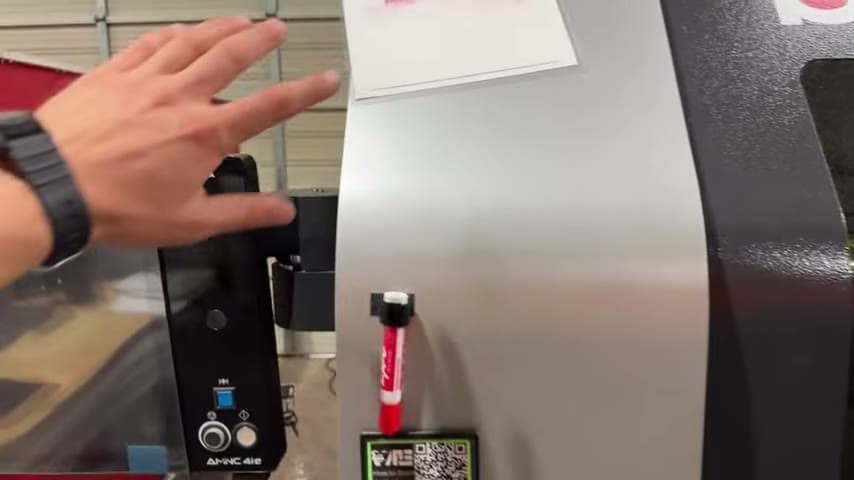
Designated Machine Owner: Route Each Machine's Issues Through One Operator
Assign a named operator to each machine so its knowledge, problems, and improvement ideas have a clear owner.
- Creator
 WillytheMinimalist
- Company
 Southwest Steel Buildings
- Wastes
When no one clearly owns a machine, issues and improvement ideas can float between people. The operator who knows the machine best may not have a clear way to act on that knowledge.
The team gives a designated operator ownership of a machine. That operator is the known contact for its issues and improvements, even if someone else paid for or purchased the equipment.
Make ownership visible so machine knowledge is reused and acted on.
What is a Designated Machine Owner?
A designated machine owner is the named operator responsible for a specific machine's issues, learning, and improvement ideas. The owner becomes the first route for questions, problems, and proposed changes.
In the transcript, the speaker explains that Adam may have spent the money, but the operator was given full reign and has taken ownership of the machine. The important shift is from vague responsibility to clear ownership.
This does not mean the machine becomes private property. It means the team knows who has the deepest working knowledge, who should collect issues, and who can help turn machine experience into better standards and improvements.
Why it works
Clear machine ownership reuses knowledge, adds value, and mistake-proofs how issues move through the team.
- Uses the talent of the person closest to the machine instead of leaving their knowledge informal.
- Gives machine problems and improvement ideas a clear home, so they are less likely to be ignored.
- Helps the team reuse what one operator learns instead of re-solving the same machine issue repeatedly.
- Mistake-proofs communication because everyone knows who to ask first and where to route issues.
- Adds value by connecting hands on experience with authority to improve the work.
Evidence: The operator says Adam may have spent the money, but he was given full reign and has taken ownership of the machine.
How to create this idea
- 1List the machines
Write down each machine or key piece of equipment that needs a clear owner.
- 2Name one owner
Assign one primary operator to each machine. Ownership can be separate from who bought the equipment.
- 3Define ownership
State that the owner routes issues, collects improvement ideas, and shares learning. Make clear that ownership supports the team and does not block others from using the machine.
- 4Give authority
Give the owner enough freedom to act within agreed safety and process limits. A named owner without authority will not capture or reuse knowledge well.
- 5Make it visible
Post or document the owner name where the team can see it. When an issue appears, route it through the owner first.
- 6Review learning
Ask owners what issues keep returning and what improvements have worked. Reuse that learning on similar machines when possible.
Best used when
- shared machines
- unclear ownership
- recurring issues
- operator expertise
- improvement ideas
Less useful when
- one time use
- no stable process
- no operator access
- unsafe autonomy
Products and tools mentioned
- production machine: Each machine is assigned a designated operator owner for issues and improvements.
Tags
- Problem
- unused talentunclear ownershipignored issues
- Lean methods
- ownershipvisual managementstandard work
- Application
- machine careoperationsmaintenance
Captured from WillytheMinimalist at Southwest Steel Buildings in the video "Southwest Steel Buildings Lean Tour", at 00:01:30. On Lean Toolbox. Watch the original video on YouTube ↗