Lean Cave: Stock Tape, Magnets, Strips, and Hooks for Quick Improvements
Keep common improvement supplies in one visible place so people can reuse proven fixes without waiting or searching.

- Creator
 WillytheMinimalist
- Company
- Tennessee Cheesecake
- Wastes
People notice small improvement opportunities, but the work stalls when basic materials like tape, magnets, strips, and hooks are not easy to find. Each person has to figure out the same attachment, marking, or holding problem again.
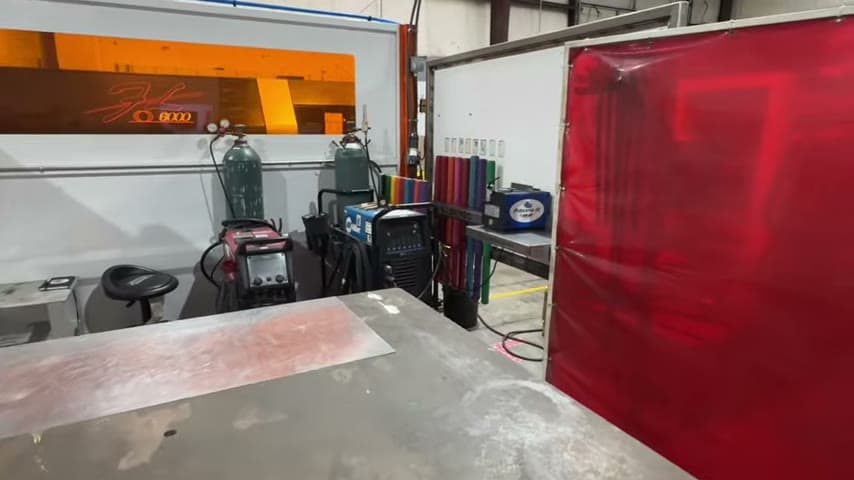
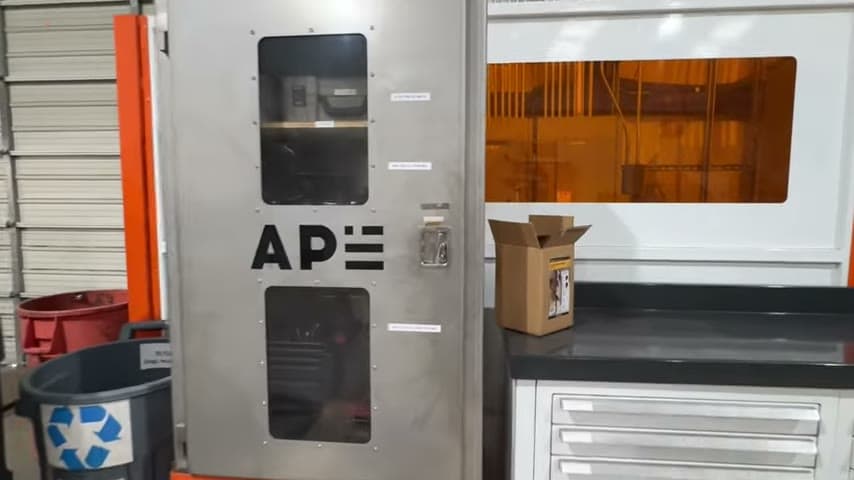
The team created a lean cave stocked with common materials for quick improvements, including tape, magnets, strips, and hooks. They treat it as a living supply point and add to it over time.
Make improvement knowledge visible, available, and reusable.
What is a Lean Cave?
A lean cave is a shared improvement supply area. It holds the simple materials people commonly use to turn a small idea into a visible workplace change.
In this example, the lean cave stocks tape, magnets, strips, and hooks. These supplies help people label, mark, hold, hang, separate, or organize items in a repeatable way.
The value is not just having supplies nearby. The lean cave captures proven improvement patterns, so one person's solution becomes easier for everyone else to copy.
Why it works
A lean cave turns everyday improvement materials into reusable knowledge.
- It reduces re-solving because common fix materials are kept in one known place.
- It adds value by helping people act on improvement ideas while the problem is fresh.
- It supports mistake proofing by making labels, holders, locations, and visual standards easier to create and repeat.
- It uses employee talent by giving people the materials to test and share small improvements.
Evidence: The transcript identifies the area as a lean cave for anything needed to make improvements and says the team adds to it all the time.
How to create this idea
- 1Choose one place
Pick a visible, easy to access shelf, drawer, or area for improvement supplies. Label it clearly as the lean cave or improvement supplies.
- 2Stock proven basics
Start with materials already used for simple fixes, such as tape, magnets, strips, and hooks. Keep the first version small and practical.
- 3Organize by use
Group items by purpose, such as marking, holding, hanging, or attaching. This helps people match a problem to a known type of solution.
- 4Make reuse normal
When someone creates a useful improvement with a new material, add that material to the lean cave if others can reuse it. Treat the supply area as shared learning, not just storage.
- 5Refill and edit
Check the lean cave regularly. Refill what people use and remove items that do not support real improvements.
Best used when
- quick improvements
- visual controls
- 5S projects
- employee ideas
- small fixes
Less useful when
- one time projects
- restricted materials
- no shared access
- special tools only
Products and tools mentioned
- Strips: Used as a simple material for attaching, separating, marking, or organizing.
- Tape: Used for marking, labeling, or attaching quick improvement items.
- hooks: Mounting hooks used to hang tools, cables, or equipment at workstations.
- magnet: Magnetic component used to hold, position, or organize metal items.
Tags
- Problem
- waitingsearchingunused talent
- Lean methods
- kaizen5Svisual management
- Application
- workplaceimprovement suppliesvisual controls
Captured from WillytheMinimalist at Tennessee Cheesecake in the video "Tennessee Cheesecake Lean Tour", at 00:02:48. On Lean Toolbox. Watch the original video on YouTube ↗