In-House R&D Shop: Build and Test Improvements Without Waiting on Outsiders
A small internal R&D shop gives employees the tools and materials to turn local knowledge into tested, reusable improvements.

- Creator
 WillytheMinimalist
- Company
- Tennessee Cheesecake
- Wastes
Improvement ideas stall when the team must wait for an outside engineer to understand the need, design the change, or supply basic capability that could exist in-house.
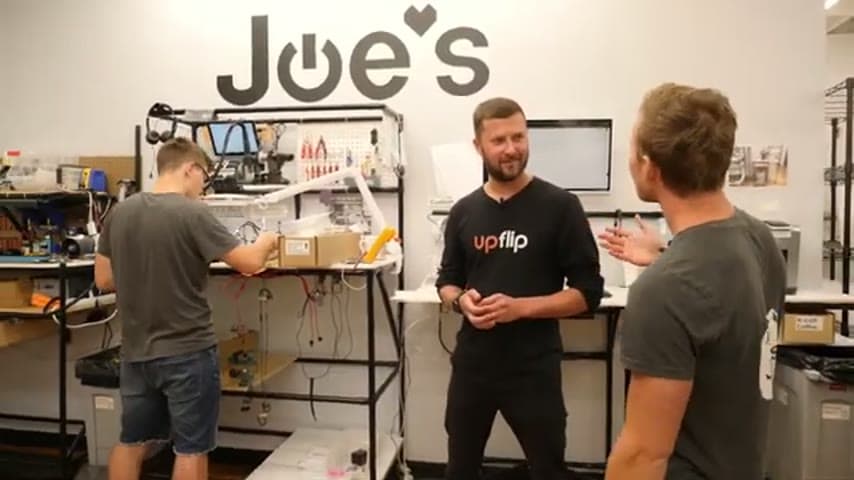
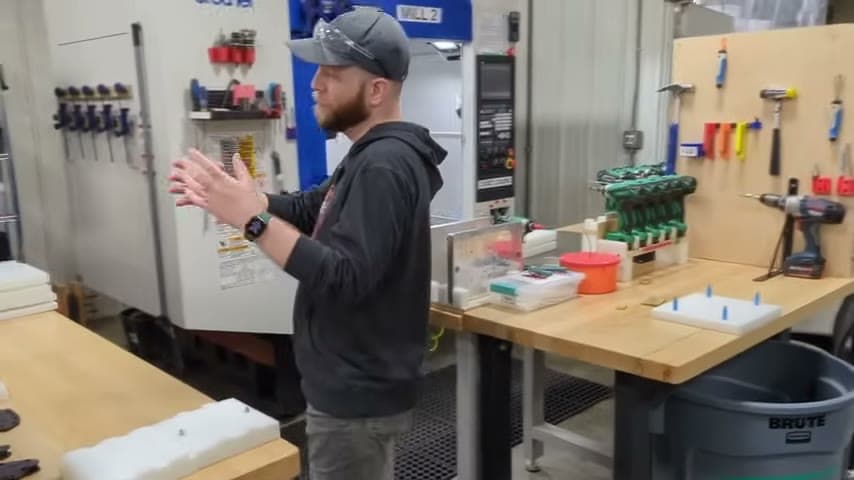
The shop keeps its own R&D area with capable people, wheels, wire, and tools so employees can build and test improvements without waiting on outsiders.
Keep improvement knowledge and capability close to the work.
What is a In-House R&D Shop?
An in-house R&D shop is a dedicated internal place where employees build and test improvements for their own process. It gives the people closest to the work a practical way to turn ideas into working changes.
In the transcript, the team has its own R&D shop and is not waiting on an outside engineer to tell them what they need. They keep wheels, wire, and tools available so improvement work can be done by capable internal people.
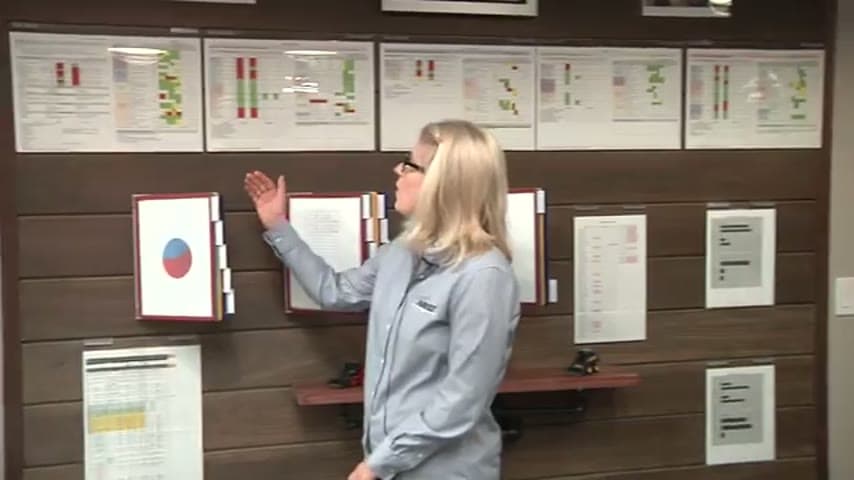
The R&D shop works with visible knowledge systems such as documentation software. Gima Docs is used to show how to do work, keep areas clean, and reduce defects, while the R&D shop helps create the proven improvements that can be documented and reused.
Why it works
It turns employee knowledge into proven solutions that add value and prevent repeat mistakes.
- Knowledge reuse: employees build from what the team already understands instead of re-explaining the same problems to outsiders.
- Added value: ideas are tested close to the actual work, so effort goes into improvements that fit the real process.
- Mistake-proofing: once a fix works, it can be captured in documentation software so the next person follows the proven method instead of repeating old errors.
- Talent use: capable employees apply their skill to improvement instead of waiting for someone outside the process.
Evidence: The transcript says the team has its own R&D shop, is not waiting on an outside engineer, and has its own wheels, wire, and tools. It also says Gima Docs shows employees how to do the work, keep it clean, and reduce defects.
How to create this idea
- 1Create a small R&D area
Set aside a place where employees can build and test improvement ideas. Keep it close enough to the work that real process problems are easy to study.
- 2Stock basic supplies
Keep practical items the team uses often, such as wheels, wire, and tools. The goal is to make simple improvement tests possible without waiting on outsiders.
- 3Use capable internal people
Involve employees who understand the work and can turn ideas into prototypes. Pair technical skill with input from the people doing the job every day.
- 4Test before rollout
Try each improvement in the real process and check that it helps. Do not make it standard until the team has seen the fix work.
- 5Document the proven fix
Use documentation software such as Gima Docs to capture the new method, cleaning point, or defect prevention detail. Make the solution visible so others can reuse it.
Best used when
- frequent improvements
- operator ideas
- prototype testing
- outside delays
- defect reduction
Less useful when
- no internal skills
- unsafe changes
- regulated changes
- rare improvements
Products and tools mentioned
- Documentation software: Used to show employees how to do work, keep areas clean, and reduce defects.
- Tools: Marked so each one visibly belongs to a specific work cell.
- Wheels: Kept in the R&D shop as material for building and testing improvements.
- Wire: Kept in the R&D shop as material for building and testing improvements.
Tags
- Problem
- waitingunused talentdefects
- Lean methods
- kaizenknowledge reusestandard workmistake proofing
- Application
- R&Dshop floorprototypingtraining
Captured from WillytheMinimalist at Tennessee Cheesecake in the video "Tennessee Cheesecake Lean Tour", at 00:05:37. On Lean Toolbox. Watch the original video on YouTube ↗