Damaged Tape and Blade Replacement: Restore Reliable Machine Operation
Replace visible machine damage as soon as it is found so the next job starts from a known good condition.

- Creator
- Hunter Trim & Cabinets
- Company
- Hunter Trim & Cabinets
- Wastes
The machine had damaged tape and a blade that needed replacement, creating a risk of unreliable operation and defects.
The team called out the damaged tape, replaced the tape, replaced the blade, and confirmed the machine was fixed.
Make known failure points visible and reuse the proven fix before defects repeat.
What is a Damaged Tape and Blade Replacement?
A damaged tape and blade replacement is a small machine restoration improvement. When a visible wear item is damaged, the team does not work around it or leave the next operator to diagnose it again. They replace the damaged item and return the machine to a known good condition.
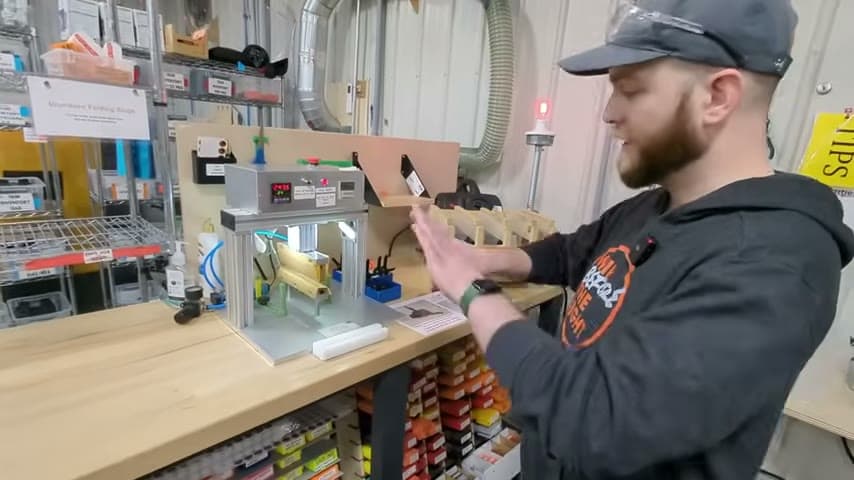
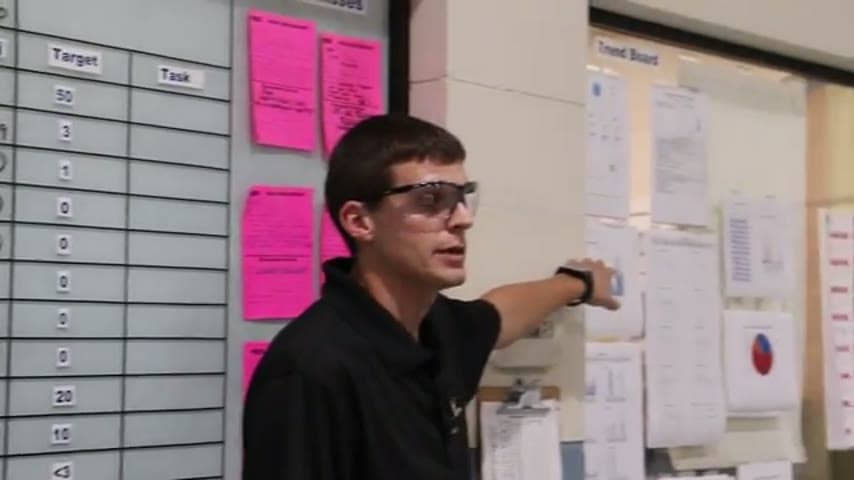
In this example, the operator identified damaged tape on the machine and also pointed to a blade that needed replacement. Both were replaced as the fix.
The teaching point is to turn the discovery into reusable knowledge. If damaged tape or a blade issue appears again, the response is already known: inspect the condition, replace the part, and confirm the machine is ready to run.
Why it works
This works because a visible problem becomes a reusable standard instead of a one-time repair that people have to rediscover.
- Knowledge reuse: The damaged tape and blade become known check points for future operators and maintenance work.
- Added value: Restoring the machine supports good output instead of letting a known defect risk continue.
- Mistake-proofing: Removing the damaged tape and questionable blade reduces the chance that the same condition creates errors again.
- Standard condition: Once the fix is visible and repeatable, abnormal wear is easier to recognize next time.
Evidence: The transcript says, "Let's replace this tape. It's damaged," then points out the blade and says, "Let's replace it. Now, I just already fixed it."
How to create this idea
- 1Look for visible damage
During a check or improvement walk, look for tape, blades, guides, or other machine items that are damaged or out of normal condition.
- 2Name the abnormality
State the specific issue in plain words, such as damaged tape or blade needs replacement. Use the same wording in future checks.
- 3Replace the damaged item
Install the correct tape and replacement blade for the machine. Do not adjust around a part that clearly needs replacement.
- 4Confirm normal condition
Check that the machine is restored before returning it to use. The goal is a known good condition, not just a completed repair.
- 5Add it to the standard
Put the tape and blade condition on a startup check, maintenance checklist, or visual standard so the next person can reuse the fix.
Best used when
- visible damage
- repeat defects
- machine checks
- wear items
- daily maintenance
Less useful when
- unknown cause
- no spare parts
- major damage
- safety lockout needed
Products and tools mentioned
- Machine: The equipment restored by replacing the damaged tape and blade.
- Replacement blade: Used to replace the blade called out on the machine.
- Tape: Used for marking, labeling, or attaching quick improvement items.
Tags
- Problem
- defectswearmachine risk
- Lean methods
- standard workvisual managementmistake proofing
- Application
- maintenancemachine operationproduction
Captured from Hunter Trim & Cabinets at Hunter Trim & Cabinets in the video "Lean Improvements 7/31/26", at 00:03:32. On Lean Toolbox. Watch the original video on YouTube ↗