Loose Workstation Part Repair: Stop Pop-Off Defects at the Source
Repair loose workstation parts as soon as they are seen so the corrected setup becomes the standard.

- Creator
- Hunter Trim & Cabinets
- Company
- Hunter Trim & Cabinets
- Wastes
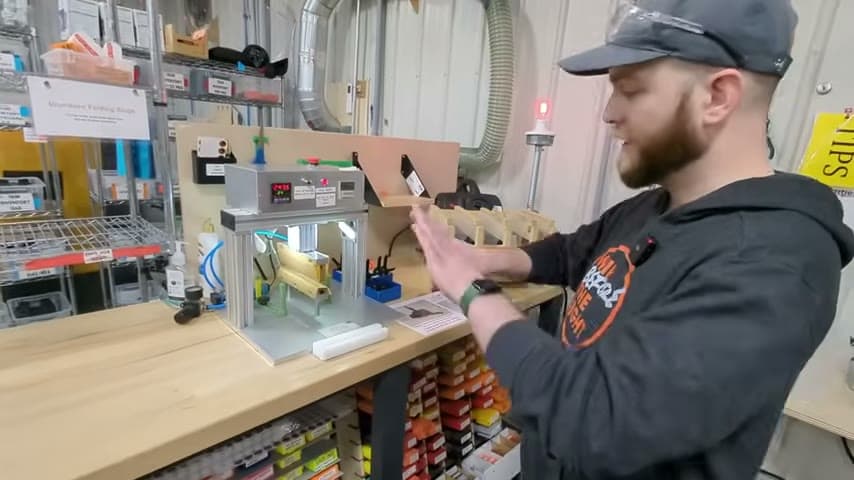
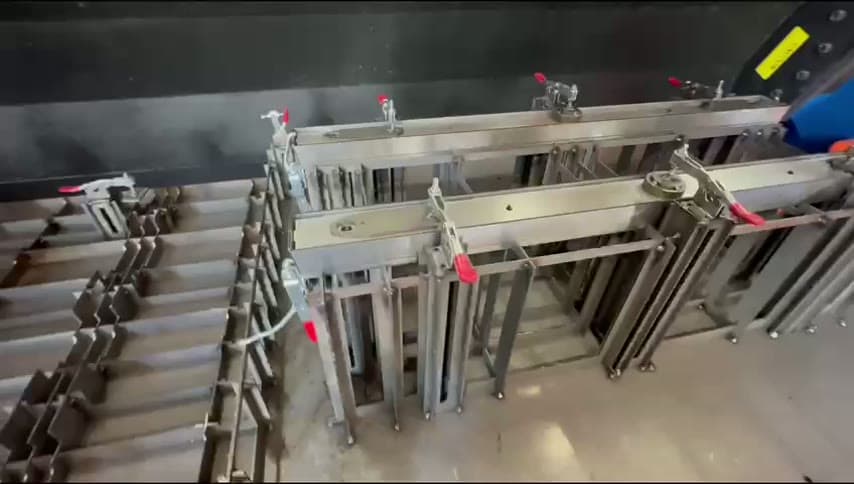
A loose part on the workstation was popping off, creating a recurring defect that could be tolerated or repeatedly corrected instead of fixed.
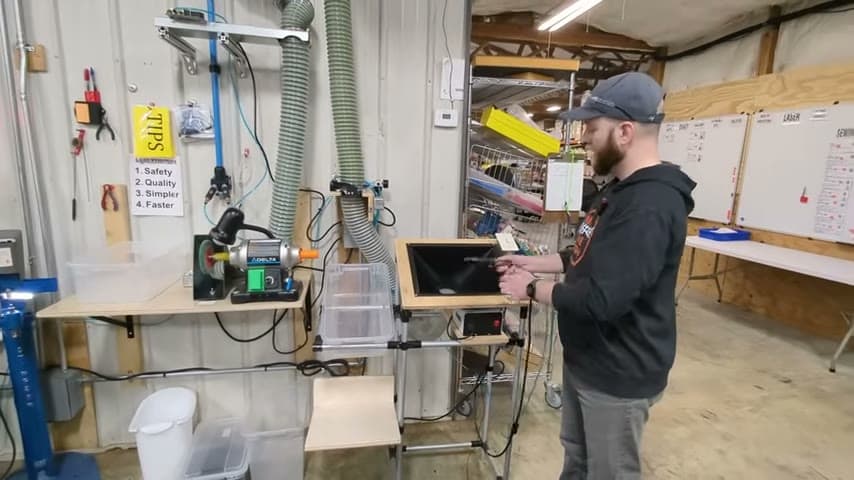
The team noticed the loose part during a walkthrough, made an improvement, and showed the repaired condition as the new normal. In the same area, they also called out damaged tape and a blade for replacement.
Fix visible defects at the source and make the corrected condition reusable.
What is a Loose Workstation Part Repair?
A loose workstation part repair is a small point-of-use fix for any part, cover, guide, holder, or attachment that does not stay in place during normal work.
Instead of pushing the part back on each time, the team treats the pop-off as a defect in the work system. The repair restores a dependable workstation condition that the next operator can use without rediscovering the same problem.
The same walkthrough also identified damaged tape and a blade needing replacement. That matters because the habit is reusable: when a visible defect is found, correct it and make the good condition clear.
Why it works
This works because a known defect is turned into reusable knowledge instead of a repeated workaround.
- Adds value by keeping the workstation ready for normal work, rather than asking each person to recover from the same loose part.
- Reuses knowledge by making the repaired condition visible, so the team knows what good looks like.
- Mistake-proofs the area by removing a known failure point before it can keep popping off or confuse the next user.
- Builds the habit of correcting small visible defects, such as damaged tape or a worn blade, before they become accepted conditions.
Evidence: The transcript shows the team noticing that something pops off, deciding to make an improvement, and then showing the improved condition with the comment, "Very nice."
How to create this idea
- 1Name the defect
When a workstation part pops off, call it a defect instead of a nuisance. Note where it happens and what normal use causes it.
- 2Check the cause
Look for a loose fit, worn area, missing fastener, damaged surface, or incorrect position. Do not just press the part back on if the cause is visible.
- 3Make a durable repair
Secure, adjust, or replace the part so it stays in place during normal work. Use the simplest fix that restores a reliable workstation condition.
- 4Show the standard
Make the corrected condition clear with a photo, checklist note, or team review if needed. The goal is for others to recognize both the defect and the fix.
- 5Verify it holds
Use the station normally and confirm the part no longer pops off. If it repeats, treat the first repair as incomplete and improve the design or fastening method.
Best used when
- loose parts
- recurring defects
- workstation checks
- daily maintenance
Less useful when
- one time damage
- unknown cause
- engineering redesign
- safety escalation
Products and tools mentioned
- Adhesive tape: Damaged tape in the same area was identified for replacement during the walkthrough.
- Cutting blade: A blade in the same area was identified for replacement or repair during the walkthrough.
Tags
- Problem
- defectsloose partsrework
- Lean methods
- kaizenmistake proofingstandard work
- Application
- workstationmaintenanceproduction
Captured from Hunter Trim & Cabinets at Hunter Trim & Cabinets in the video "Lean Improvements 7/31/26", at 00:03:12. On Lean Toolbox. Watch the original video on YouTube ↗