Two-Bin Kanban System to Cut Inventory in Half
A simple visual reorder signal that replaces manual counting and shrinks warehouse stock.

- Creator
 WillytheMinimalist
- Company
- Tennessee Cheesecake
- Wastes
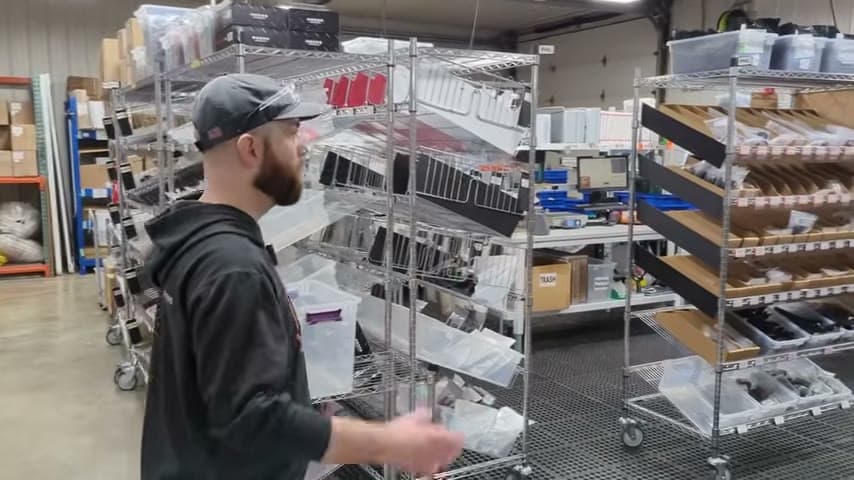
Staff spent large amounts of time cycle counting to keep inventory records accurate, and inaccurate counts led to wrong ordering. Excess stock filled ten aisles of warehouse space.
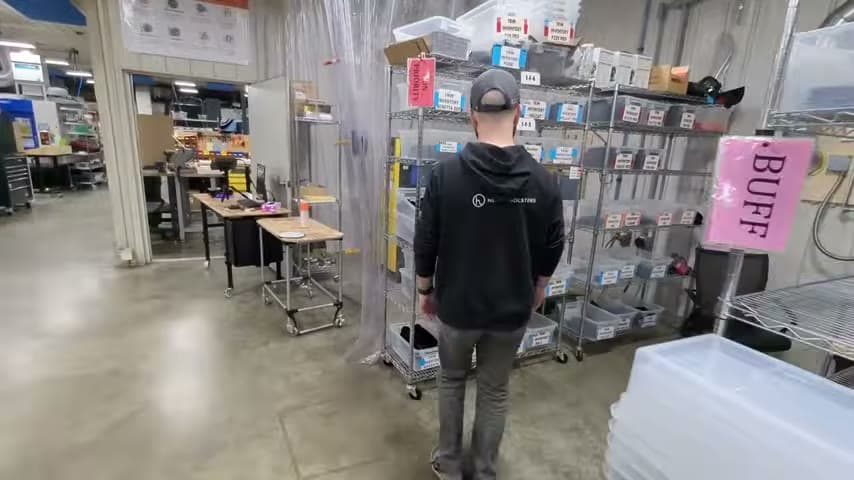
The team switched to a two-bin Kanban system. When the first bin empties it becomes the reorder signal while the second bin covers demand, removing the need for constant cycle counting. Inventory dropped by about half and the warehouse shrank from ten aisles to five or six.
Let a visual signal, not manual counting, tell you when to reorder.
What is a Two-Bin Kanban System to Cut Inventory in Half?
A two-bin Kanban is a pull-based replenishment method. Each part number gets two bins of stock. You draw from the first bin until it is empty, then that empty bin becomes the trigger to reorder while you work from the second bin.
The empty bin is the Kanban card. It carries the reorder information visibly, so no one has to count remaining stock or check a spreadsheet to know when to buy. The size of each bin is set to cover demand during the reorder lead time plus a small buffer.
Because the signal is physical and unambiguous, ordering happens at the right moment and in the right quantity. This removes both the guesswork and the overstock that comes from ordering off inaccurate records.
Why it works
The system encodes a proven reorder rule into the bins themselves, so the correct decision is visible to everyone and hard to get wrong.
- The empty bin makes the reorder point obvious, so anyone can act correctly without special knowledge.
- Ordering triggers are standardized instead of depending on one person's counts, removing a common source of error.
- Right-sized bins expose overstock and prevent ordering more than is needed.
- Eliminating cycle counting frees time that added no value to the customer.
Evidence: The warehouse went from ten aisles to about five or six, with inventory reduced roughly by half and less cycle counting and fewer mistakes.
How to create this idea
- 1Pick pilot parts
Choose a set of frequently used, easy-to-track items to start with.
- 2Set bin quantity
Size each bin to cover demand during the supplier reorder lead time plus a small safety buffer.
- 3Stage two bins per part
Place a full and a backup bin so work always pulls from the front bin first.
- 4Make the empty bin the signal
Define the rule that an empty bin triggers a reorder for that part, no counting required.
- 5Stop cycle counting those parts
Rely on the bins as the visual control and retire the manual counts they replace.
- 6Review and shrink
Adjust bin sizes down as confidence grows and reclaim the freed warehouse space.
Best used when
- repeatable consumption
- reliable lead times
- warehouse stock control
Less useful when
- highly variable demand
- one-off custom parts
- very long lead times
Tags
- Problem
- excess inventorycycle countingordering errors
- Lean methods
- Kanbantwo-bin systempull replenishmentvisual control
- Application
- warehouseinventory managementprocurement
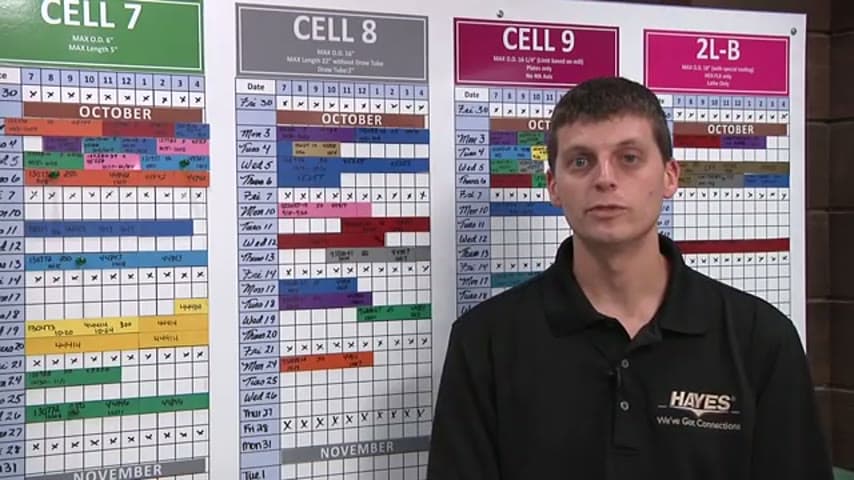
Captured from WillytheMinimalist at Tennessee Cheesecake in the video "Tennessee Cheesecake Lean Tour", at 00:04:40. On Lean Toolbox. Watch the original video on YouTube ↗