Go/No-Go Restroom Standards: Show Exactly How Each Toilet Should Be Left Clean
A visible go/no-go standard lets every restroom user check the toilet before leaving it for the next person.

- Creator
 WillytheMinimalist
- Company
- Tennessee Cheesecake
- Wastes
Restroom cleanliness depends on personal judgment, so each person may have a different idea of what clean means and defects can be passed to the next user.
The team created go/no-go instructions for the toilet and expects each person to look back, compare the condition to the standard, and leave it better than they found it.
Make the standard visible so everyone can reuse the same definition of done.
What is a Go/No-Go Restroom Standards?
A go/no-go restroom standard is a simple visual or written standard that shows the acceptable and unacceptable condition for a toilet after use. It turns the vague request to leave it clean into a clear check that anyone can apply.
The standard is used at the point of use. Before leaving, each person looks back at the toilet and compares it to the go/no-go instructions.
This makes the known good condition reusable. Instead of each person deciding what clean means, the team shares one standard and uses it every time.
Why it works
It reuses one proven definition of clean, adds value for the next user, and mistake-proofs the handoff between restroom users.
- Knowledge reuse: the expected condition is visible, so people do not have to interpret or reinvent the standard.
- Added value: each user leaves the toilet ready for the next person instead of passing along a cleanliness defect.
- Mistake-proofing: the go/no-go check helps a person catch an unacceptable condition before walking away.
- Shared standard: office and shop users can apply the same expectation instead of relying on different habits.
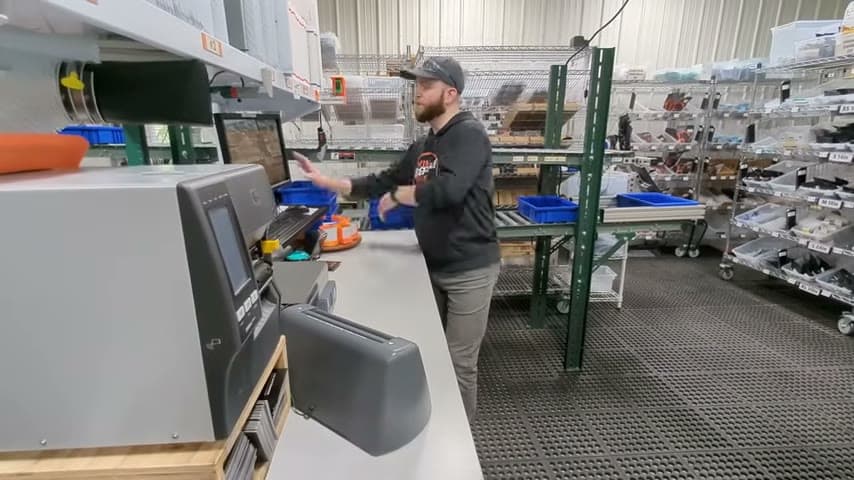
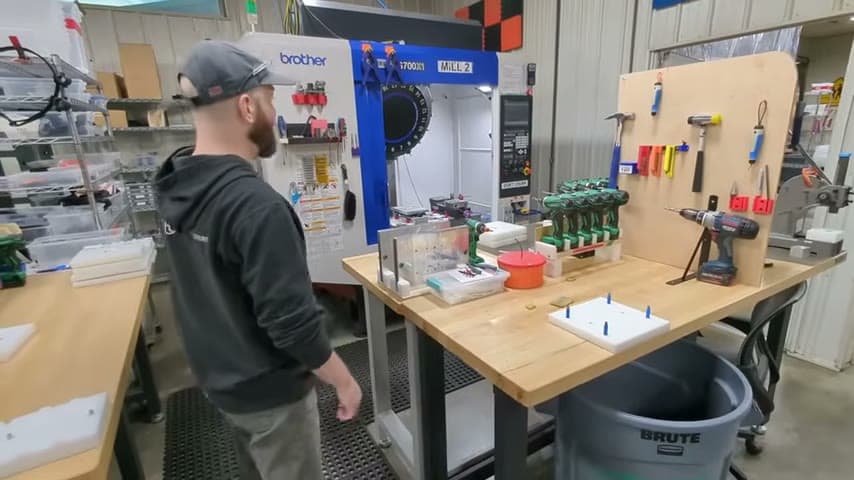
Evidence: The transcript says the shop bathroom looked as clean as the office bathroom because everybody cleaned after themselves and used go/no-go instructions for the toilet.
How to create this idea
- 1Define clean
Agree on the exact condition the toilet should be left in. Use only visible items a user can check immediately.
- 2Create go and no-go examples
Show what is acceptable and what is not acceptable. Keep the standard simple enough to understand at a glance.
- 3Place it at use
Put the instruction where a person can see it before leaving the toilet area. The standard should be available at the moment of the check.
- 4Teach the look back habit
Ask every user to look back, compare the toilet to the standard, and correct anything that does not meet it.
- 5Keep it current
If the instruction becomes unclear, damaged, or ignored, improve it. Treat the standard as part of daily work, not decoration.
Best used when
- shared restrooms
- shop bathrooms
- office bathrooms
- cleanliness defects
- self-checking
Less useful when
- single-user spaces
- no agreed standard
- hidden problems
- deep cleaning
Tags
- Problem
- defectsunclear standardcleanliness
- Lean methods
- visual managementstandard workmistake-proofing
- Application
- restroomsfacilitieshousekeeping
Captured from WillytheMinimalist at Tennessee Cheesecake in the video "Tennessee Cheesecake Lean Tour", at 00:06:40. On Lean Toolbox. Watch the original video on YouTube ↗