Vise and Vacuum Fixture for Four Pin Molds: Locate and Recut Molds Repeatably
A dedicated mill setup uses a vise, vacuum fixture, and common four pin pattern so molds can be placed and recut without taking over production space.
- Creator
 Audacity Micro
- Company
- Henry Holsters
- Wastes
Mold recuts and production-like assembly work could interrupt a production bench and require the setup to be recreated, increasing waiting and the chance of location errors.
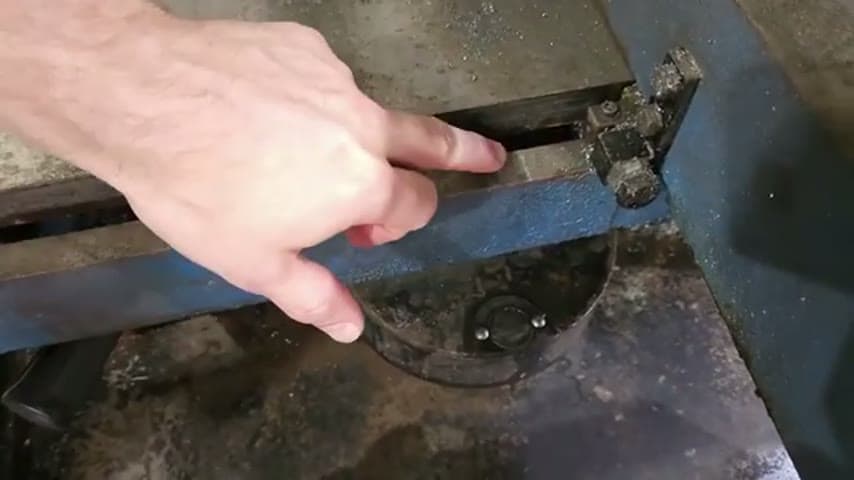
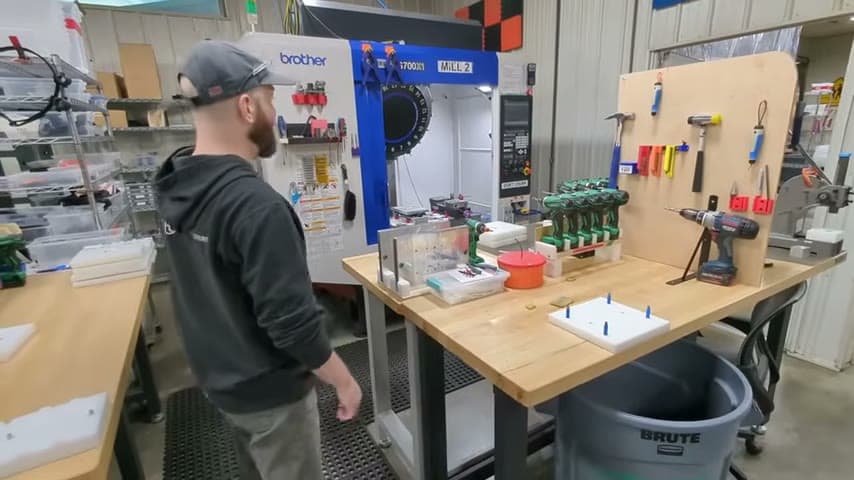
The team kept a mill set up with one machine vise and one vacuum fixture. Molds with a four pin pattern on the bottom can be placed into the known setup and recut quickly.
Standardize locating features so proven setups are visible, reusable, and hard to load incorrectly.
What is a Vise and Vacuum Fixture for Four Pin Molds?
A four pin mold recut fixture is a repeatable workholding setup for molds that share the same locating pattern. The four pin pattern defines where the mold belongs, while the vise and vacuum fixture support holding it for machining.
In this example, the setup stays on a mill used for production-like assembly and recut work. Because the mill is already arranged with the vise and vacuum fixture, the user can place a matching mold down instead of borrowing a production bench.
The value is the reusable setup knowledge. The fixture makes the correct location obvious, so the next recut does not depend on memory, guessing, or rebuilding the setup from scratch.
Why it works
The fixture turns a known good locating method into reusable knowledge that adds value and reduces setup mistakes.
- Knowledge reuse: the four pin pattern makes the correct mold location visible and repeatable for the family of molds that share it.
- Added value: recut and production-like assembly work can be done on the prepared mill instead of interrupting a production bench.
- Mistake-proofing: the common pattern, vise, and vacuum fixture reduce the chance of placing the mold in a different position each time.
- Less waiting: keeping the setup available reduces dependence on a shared production workspace.
Evidence: The transcript says the mill is set up with one vise and one vacuum fixture, and that many parts have a four pin pattern on the bottom so a mold can be quickly placed down for recutting.
How to create this idea
- 1Find repeat recuts
Identify molds or parts that often return for recutting or rework. Look for a shared datum or locating feature, such as a common pin pattern.
- 2Choose the standard pattern
Use one locating pattern for the family of molds when possible. Make the pattern easy to recognize and consistent across parts that should fit the fixture.
- 3Build the fixture setup
Set up the mill with the needed workholding, such as a machine vise and vacuum fixture. Arrange it so matching molds register in the same known position.
- 4Keep it available
Leave the proven setup in place where recut work can be done without taking over production benches. Avoid tearing it down unless the standard changes.
- 5Label the match
Mark or document which molds fit the four pin setup. Add a short note or photo so others can reuse the fixture without asking the original builder.
Best used when
- repeat mold recuts
- shared pin patterns
- CNC rework
- production-like trials
- limited bench access
Less useful when
- one-off molds
- no common datum
- unstable holding
- large part variation
- unsafe vacuum use
Products and tools mentioned
- CNC mill: Used as the prepared machine for production-like assembly and mold recut work.
- Machine vise: Used as part of the standard workholding setup on the mill.
- Vacuum fixture: Used with the vise to hold matching molds for quick recutting.
- workbench: Sturdy work surface for assembly, repair, and hands-on manufacturing tasks.
Tags
- Problem
- defectswaitinginterruptions
- Lean methods
- standard workmistake-proofingvisual management
- Application
- CNC machiningmold recutworkholding
Captured from Audacity Micro at Henry Holsters in the video "THIS is what a LEAN shop looks like - Lean Machine Shop Tour", at 00:06:08. On Lean Toolbox. Watch the original video on YouTube ↗