Work Items on Wheels: Move Proven Setups to the Point of Use
Keep work items mobile so a proven setup can travel with the job instead of being rebuilt or improvised.
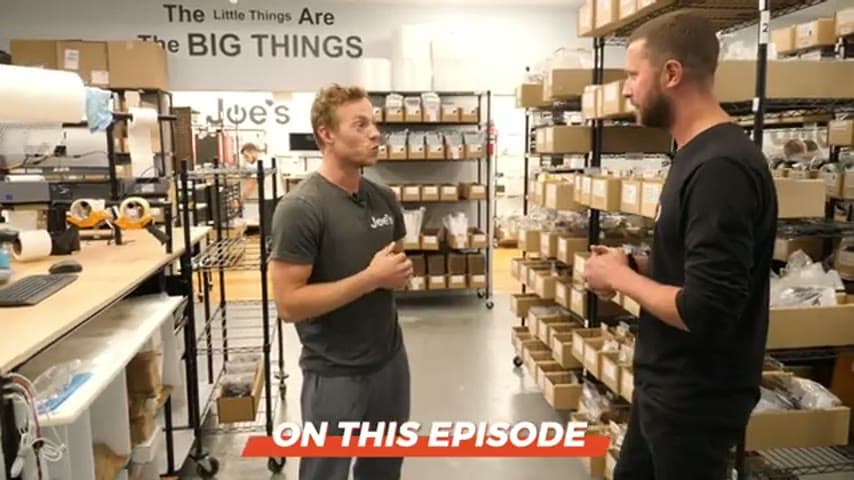
- Creator
 UpFlip
- Company
- Joe's Gaming and Electronics
- Wastes
Fixed work items make teams adapt to where the item sits, and each move or handoff can separate the job from the setup that works.
The team made wheels a standard. Work items are kept on wheels so they can be moved easily while staying together as a usable setup.
Make proven work setups mobile, visible, and reusable.
What is a Work Items on Wheels?
Work items on wheels means placing jobs, materials, holders, or support items on wheeled bases so the work can move as one unit.
The Lean value is not only easier movement. The important idea is that a proven setup stays intact and reusable wherever the next value-adding step happens.
This also mistake-proofs handoffs. When the work item travels with its needed arrangement, people are less likely to separate parts, forget needed items, or recreate the setup differently each time.
Why it works
It reuses knowledge by keeping the known good setup together, adds value by bringing that setup to where work can continue, and mistake-proofs the process by reducing chances to lose, mix, or rebuild items incorrectly.
- Keeps the correct work arrangement visible instead of relying on memory.
- Lets the same setup be reused in different locations without redesigning the process.
- Reduces errors during handoffs because the work and its support items stay together.
- Makes it easier to see when something is missing from the mobile setup.
Evidence: The source says, "the most important thing for us is wheels" and "everything's in wheels."
How to create this idea
- 1Find movable work
Look for work items that are repeatedly staged, handed off, or worked on in more than one place.
- 2Define the setup
List what must stay with the work item so the proven arrangement can be reused without guessing.
- 3Put it on wheels
Place the work item or its holder on a stable wheeled base so it can move as one unit.
- 4Make contents visible
Use labels, outlines, or fixed locations so people can see what belongs on the wheeled setup.
- 5Test the flow
Move the item through the real work path and check for missing items, unstable movement, or error risks.
Best used when
- repeat handoffs
- mobile work
- work staging
- shared areas
- changing priorities
Less useful when
- fixed equipment
- unstable loads
- one-time work
- tight aisles
Tags
- Problem
- motiontransportationhandoff errors
- Lean methods
- standard workvisual managementmistake proofing
- Application
- work stagingmobile workservice work
Captured from UpFlip at Joe's Gaming and Electronics in the video "Lean Manufacturing: Improve Business Efficiency & Maximize Profits (Pt. 1)", at 00:01:16. On Lean Toolbox. Watch the original video on YouTube ↗