Screw Attachment: Replace a Failed Adhesive Mount With a Positive Fastener
When adhesive backing fails, drill a hole and use a screw so the attachment method is visible, reliable, and reusable.

- Creator
- Hunter Trim & Cabinets
- Company
- Hunter Trim & Cabinets
- Wastes
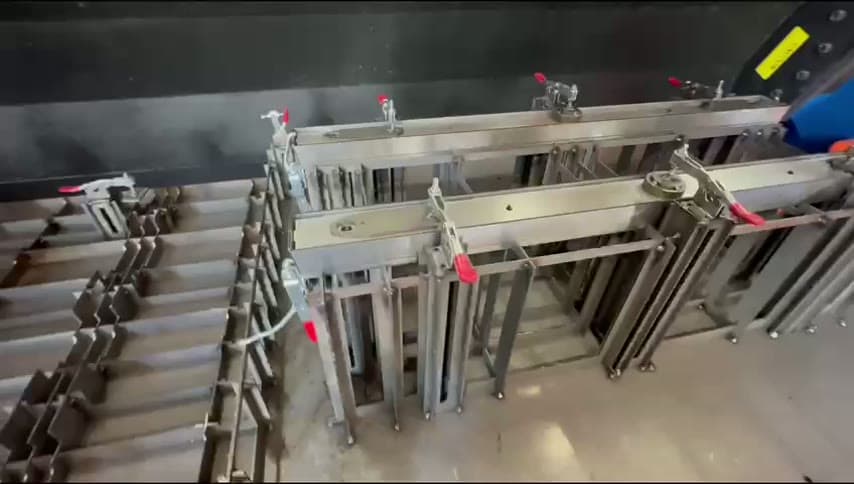
A mounted item was originally held on with adhesive on the back, and that attachment failed.
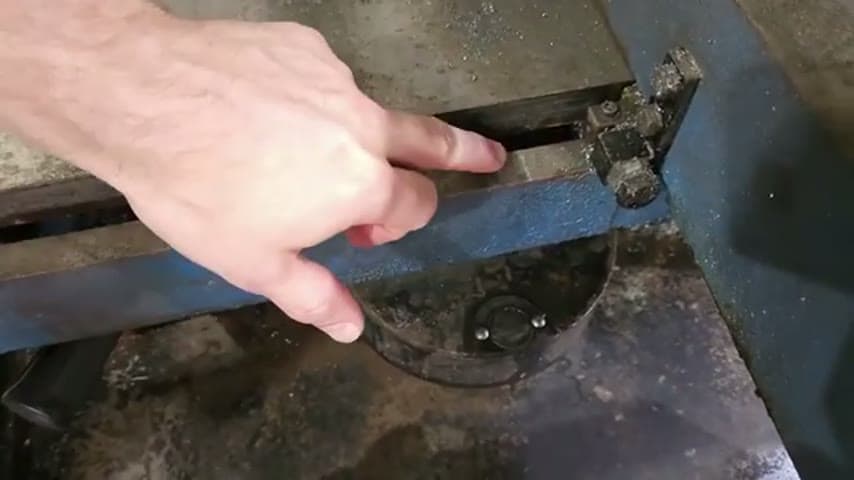
The team drilled a hole and installed a screw so the item was reattached mechanically instead of relying on the failed adhesive backing.
Turn a failed attachment method into a visible, reusable standard.
What is a Screw Attachment?
A screw attachment is a mechanical fastening method used when an adhesive-backed mount is not reliable for the condition. Instead of reusing the same failed adhesive approach, the team changes the method to a positive fastener.
In this example, the item originally had adhesive on the back. The fix was to drill a hole, put a screw in, and reinstall the item.
The Lean improvement is the captured learning: adhesive was not the right attachment for this case, so the team replaced it with a proven method that others can copy instead of repeating the same error.
Why it works
This works because the proven fix is visible and reusable, so the next person does not have to re-solve the same attachment failure.
- Knowledge reuse: the failed adhesive method is replaced with a known mechanical method that can become the standard for similar cases.
- Added value: the item can keep doing its intended job instead of becoming another loose or missing part.
- Mistake-proofing: a screw creates a positive hold, making it harder to repeat the same adhesive failure.
- Standard thinking: the fix changes the cause of the defect, not just the visible symptom.
Evidence: The transcript states that the item originally had adhesive on the back, then the team drilled a hole and put a screw in it.
How to create this idea
- 1Identify the failure
Find mounts, signs, clips, or holders where the adhesive backing has failed.
- 2Check before drilling
Confirm the part and mounting surface can accept a hole and screw without damage.
- 3Pick the location
Place the hole where the screw will hold the item securely and not interfere with its function.
- 4Install the screw
Drill the hole, add the screw, and reinstall the item with the mechanical attachment.
- 5Capture the lesson
Add a note, photo, or work instruction showing that this location should use a screw attachment instead of adhesive backing.
Best used when
- failed adhesive
- loose mounts
- repeat defects
- small fixtures
Less useful when
- no drilling allowed
- fragile surfaces
- temporary placement
- sealed housings
Products and tools mentioned
- Adhesive-backed mount: The original attachment method that failed and was replaced.
- Screw: Used as the mechanical fastener after the adhesive attachment failed.
Tags
- Problem
- defectsloose partsfailed mount
- Lean methods
- mistake proofingstandard workknowledge reuse
- Application
- maintenancemountingfixtures
Captured from Hunter Trim & Cabinets at Hunter Trim & Cabinets in the video "Lean Improvements 8/7/26", at 00:03:39. On Lean Toolbox. Watch the original video on YouTube ↗