Floor Wire Management: Keep Wires and Hoses Off the Floor for Easier Sweeping
Give loose wires and hoses a visible home so the floor stays clear, cleanable, and safer between jobs.

- Creator
- Hunter Trim & Cabinets
- Company
- Hunter Trim & Cabinets
- Wastes
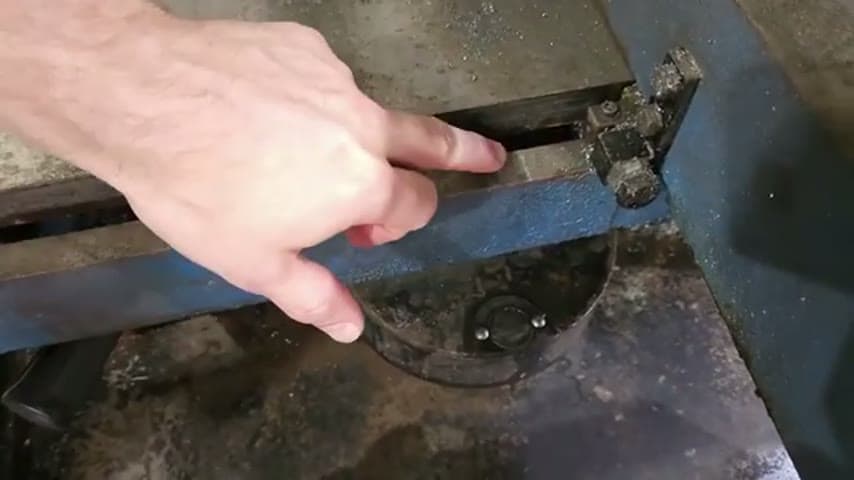
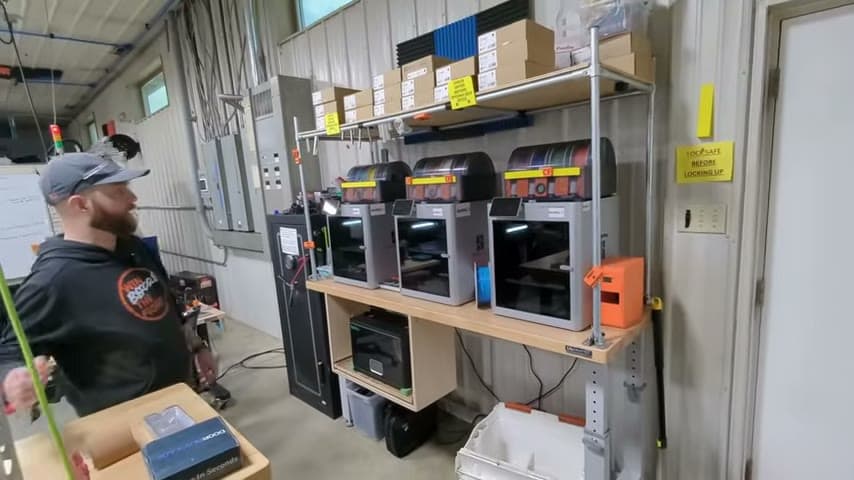
Loose wires, cables, and hoses were left on the floor near the bench. They made sweeping harder because the cleaner had to move them each time, and they created a trip hazard.
The team removed the wires from the floor and added a hook so hoses could be wrapped up when not in use. They also kept sticks available to clean glue from the area.
Make the correct storage method visible so the clean, safe setup is easy to repeat.
What is a Floor Wire Management?
Floor wire management is a simple 5S standard for keeping wires, cables, and hoses off the floor when they are not in active use. The work can still use the needed length at the bench, but the default resting place is a hook or holder instead of the floor.
The improvement makes the proven cleanup method visible. Anyone can see where the hose belongs, return it after use, and sweep the floor without first deciding what to move.
In this case, the team used a hook for the hoses, removed floor wires, and kept sticks nearby for glue cleanup. The point is to make the clean condition easy to restore, not dependent on memory.
Why it works
This works because it captures a small proven fix and makes it reusable at the point of work.
- Knowledge reuse: the hook shows everyone where hoses belong, so each person does not have to invent a storage method.
- Added value: sweeping and glue cleanup support a clean, usable work area instead of spending effort working around avoidable clutter.
- Mistake proofing: lifting wires and hoses off the floor makes it harder to leave a repeat trip hazard or block cleaning.
Evidence: The transcript says someone almost tripped over the hoses, a hook was added to keep them off the floor, and removing the wires made the floor easy to clean.
How to create this idea
- 1Find floor obstacles
Look for wires, cables, or hoses that lie on the floor and interfere with sweeping or create a trip hazard.
- 2Keep the needed length
Confirm how much length is needed for the bench work. Store only the unused slack when the line is not active.
- 3Add a nearby hook
Install a hook or similar holder close to the point of use. It should be easy to wrap the hose or cable immediately after use.
- 4Clear the floor
Lift, route, or wrap loose wires so the sweeping path is open. Check that the new setup does not create a snag point.
- 5Place cleanup aids
Keep simple cleaning sticks near the glue area if glue buildup is part of the recurring cleanup.
- 6Set the standard
Make the hook the normal home for hoses and cables whenever they are not being used. Teach the clear floor as the expected condition.
Best used when
- loose floor wires
- bench hoses
- trip hazards
- frequent sweeping
- glue cleanup
Less useful when
- fixed conduit needed
- constant line use
- no mounting point
- temporary setup
Products and tools mentioned
- Glue: Material in the area that needed cleanup.
- Hose: Flexible tubing used to convey air, fluid, or coolant on the shop floor.
- cleaning stick: Kept nearby to help clean glue from the area.
- electrical cable: Moved off the floor so sweeping is easier.
- wall hook: Used to wrap hoses and keep them off the floor when not in use.
Tags
- Problem
- trip hazardfloor clutterhard cleaning
- Lean methods
- 5Svisual managementmistake proofing
- Application
- workbenchfloor carecable management
Captured from Hunter Trim & Cabinets at Hunter Trim & Cabinets in the video "Lean Improvements 8/7/26", at 00:02:23. On Lean Toolbox. Watch the original video on YouTube ↗