Dry Machining Chip Cleanout: Brush Plastic Chips Down and Scrape Them Out the Back
Use gravity and a simple brush down, scrape out routine to make plastic chip cleanup repeatable.
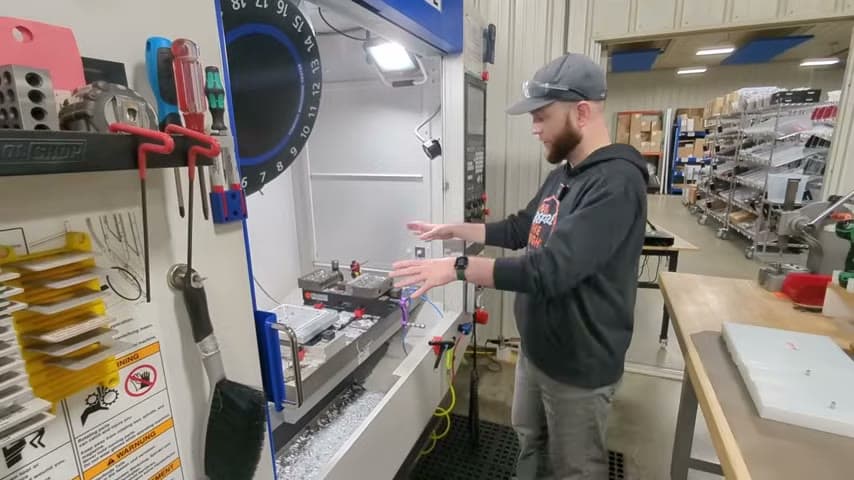
- Creator
 Audacity Micro
- Company
- Henry Holsters
- Wastes
Dry-machined plastic chips can collect inside the machine when the cleanout method is not obvious or consistent.
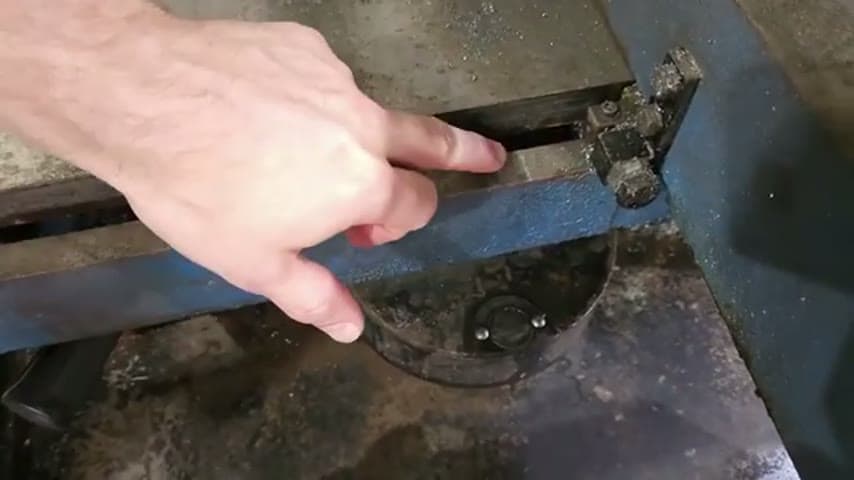
The team uses a no-auger machine setup where chips clear by gravity. Operators grab a brush, sweep plastic chips down, and scrape them out the back.
Make the proven cleanup path visible and reusable.
What is a Dry Machining Chip Cleanout?
A dry machining chip cleanout is a standard way to remove plastic chips from a machine without relying on an auger. Chips are brushed downward, allowed to clear by gravity, and scraped out through the back.
The improvement is the reusable method, not just the cleaning tool. Everyone uses the same chip path and the same sequence, so the machine is cleaned the proven way each time.
This fits dry plastic machining because the chips can be moved by brush and gravity. It gives operators a simple standard instead of making each person decide how to clear the machine.
Why it works
It turns chip cleanup into reusable knowledge that adds value by keeping the machine ready and reduces errors by making the correct cleanout path obvious.
- Knowledge reuse: operators do not have to re-solve how to clean plastic chips from this machine.
- Added value: a clean machine supports the next job and helps the team maintain production readiness.
- Mistake-proofing: chips are directed down and out the back, reducing the chance that hidden buildup is left behind.
Evidence: The transcript says the machines have no augers, everything is cleared out with gravity, and it is easy to grab a brush, sweep plastic chips down, and scrape them out the back.
How to create this idea
- 1Confirm the use case
Apply this where chips are dry and brushable, such as dry-machined plastic. Do not assume the same method works for wet or heavy chip loads without testing.
- 2Define the chip path
Decide where chips should fall and where they should exit. Make the rear cleanout point the standard exit.
- 3Stage the brush
Keep a shop brush at the machine so operators do not have to search for the tool before cleaning.
- 4Write the sequence
Document the standard in simple words: brush chips down, let gravity carry them, scrape chips out the back.
- 5Check for missed areas
Watch the first few cleanouts and inspect for places where chips remain. Add a visual reminder or adjust the method if the same area is missed.
Best used when
- dry plastic machining
- no auger machine
- repeat cleanout
- visible chip buildup
Less useful when
- wet machining
- heavy chip loads
- stringy chips
- blocked rear access
Products and tools mentioned
- machine tool: Used for dry machining with no augers so chips clear by gravity.
- shop brush: Used to sweep dry plastic chips down inside the machine.
Tags
- Problem
- chip buildupdefectsunclear cleanup
- Lean methods
- standard workvisual managementmistake proofing
- Application
- machiningplastic partsmachine cleaning
Captured from Audacity Micro at Henry Holsters in the video "THIS is what a LEAN shop looks like - Lean Machine Shop Tour", at 00:07:00. On Lean Toolbox. Watch the original video on YouTube ↗