Track Material Remnants With Laminated Cards on the Rack
Reusable laminated cards label leftover drops by type so anyone can find and reuse them fast.
- Creator
 American Precision Engineering
- Company
- American Precision Engineering
- Wastes
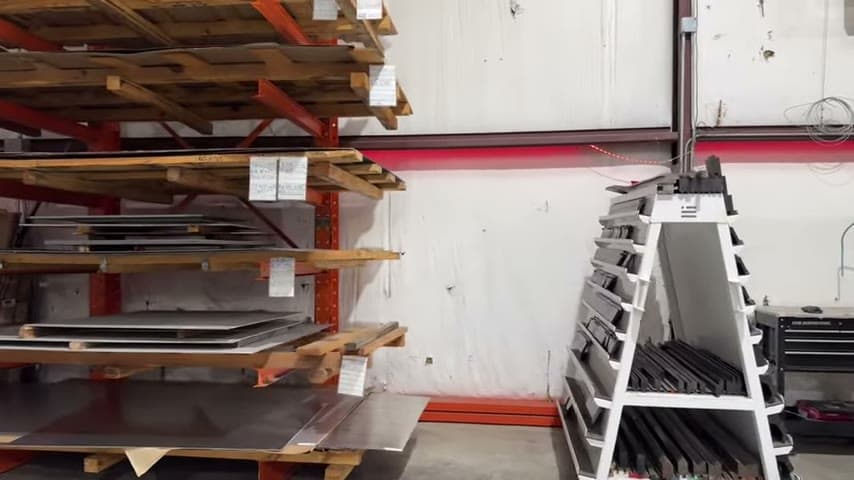
Remnants and drops from past jobs pile up on the material rack with no record of what is there, so people cannot tell what is available and usable stock gets forgotten or reordered.
The team writes what each remnant is on laminated cards used like small whiteboards, then sorts the rack by material type. When a job needs a drop, anyone can look at the card, find the right type, and grab it.
Make available inventory visible and reusable so proven stock is found instead of reordered.
What is a Track Material Remnants With Laminated Cards on the Rack?
This is a visual inventory control for leftover material. Each shelf or section of the material rack carries a laminated card that acts like a small dry-erase whiteboard, listing what remnant is stored there.
Because the cards are laminated, they can be wiped and rewritten as stock changes, so the label always matches what is actually on the rack. The rack is sorted by material type, so the cards double as a sorting key.
The shop runs just in time and keeps almost no fresh material in stock, so the only real inventory is remnants and drops from completed jobs. The card system turns that scattered leftover pile into a known, searchable resource anyone can pull from.
Why it works
It converts hidden leftover material into shared, reusable knowledge everyone can act on.
- Anyone, not just the person who cut the material, can find a usable drop.
- Sorting by type plus a written card makes the right remnant obvious at a glance.
- Reusing a known drop avoids reordering material that already exists.
- Laminated cards stay accurate because they are wiped and rewritten as stock changes.
How to create this idea
- 1Sort the rack by material type
Group remnants and drops on the rack into clear sections by type so like material lives together.
- 2Make laminated whiteboard cards
Print or cut blank cards and laminate them so they can be written on and wiped clean repeatedly.
- 3Write what is stored on each card
Note the material and remnant on the card for its section, like a small whiteboard.
- 4Mount cards at the rack
Fix each card to its shelf or section so the label is visible from where people stand.
- 5Update when stock changes
Wipe and rewrite the card whenever a drop is used or added so it always reflects reality.
Best used when
- just in time shops
- leftover drops and remnants
- shared material racks
- frequently changing stock
Less useful when
- large stable inventories
- barcode or ERP tracked stock
- single-user private stock
Products and tools mentioned
- Laminated cards: Protective plastic-coated cards used for durable work instructions or signals.
Tags
- Problem
- hidden inventoryhard to findreordering waste
- Lean methods
- visual managementjust in time5S
- Application
- material rackremnant trackingshop stock
Captured from American Precision Engineering at American Precision Engineering in the video "Tour of APE's lean shop", at 00:01:51. On Lean Toolbox. Watch the original video on YouTube ↗