Contained Scrap Routing Replaces Tossing Waste Into a Large Bin
A safer, contained scrap method removed the hazard and floor space eaten up by a big open scrap bin.
- Creator
 TheAMEConnect
- Improvement date
- June 16, 2024
- Company
 Southwest Steel Buildings
- Wastes
Operators rolled up scrap and walked it to a large open scrap bin, which took 10 to 20 seconds per piece, ate up floor space, and created a safety hazard.
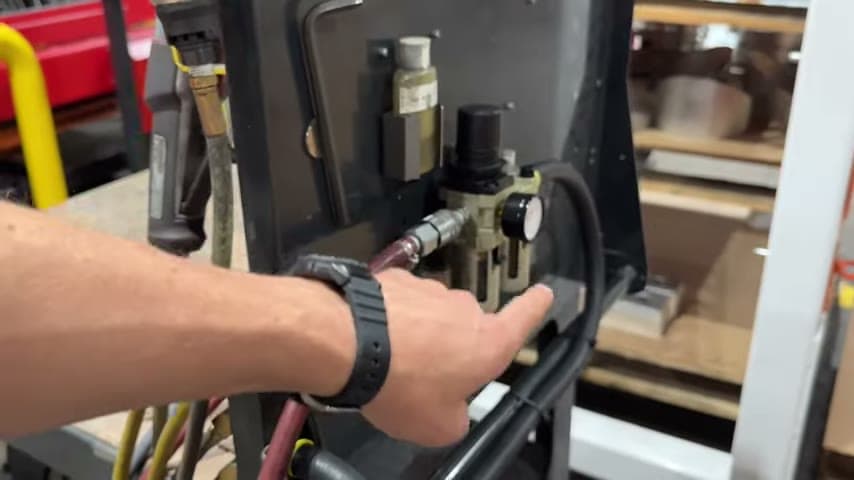
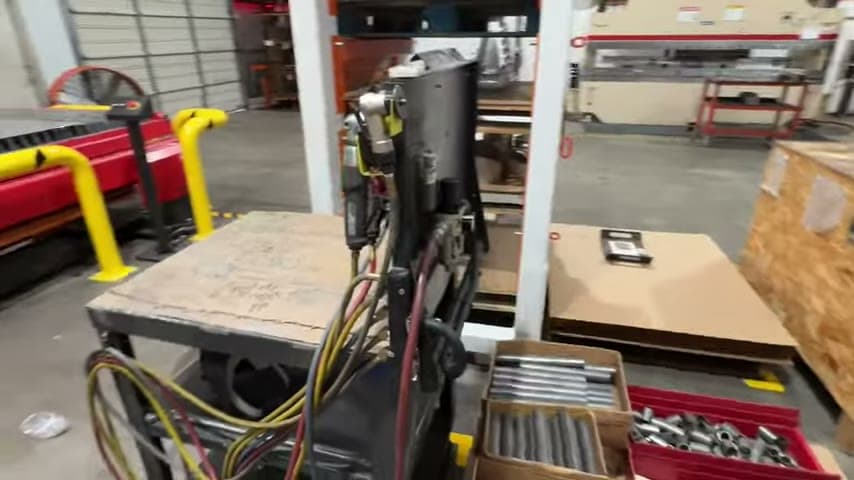
The team changed the scrap handling so waste is routed into a safer, contained method at the point of use instead of being carried and tossed into a big bin.
Handle waste at the source with a fixed, contained method so it never becomes extra motion or a hazard.
What is a Contained Scrap Routing Replaces Tossing Waste Into a Large Bin?
This is a scrap handling change that replaces an open, distant scrap bin with a contained collection method built into the process flow. Instead of an operator rolling up scrap and carrying it across to a large bin, the scrap drops or feeds into a defined container right where it is generated.
The old method had hidden costs. Rolling and walking each piece of scrap took 10 to 20 seconds, the big bin consumed floor space, and reaching into or over an open bin created a safety risk.
The new method turns scrap disposal into a standard, one-step action that anyone can do the same way every time, making the correct handling the easy default.
Why it works
A contained, standardized scrap route makes the right way to handle waste the obvious and only way, so the improvement holds without relying on operator judgment.
- Builds the proven handling method into the workstation so every operator repeats it identically.
- Removes the open bin hazard, mistake-proofing the task against injury.
- Frees floor space that the large bin consumed, adding value to the work area.
- Makes waste handling visible and consistent instead of a variable, ad hoc step.
How to create this idea
- 1Watch the current scrap step
Have an operator process scrap the old way and time it. Note the walk, the bin size, and any safety risk.
- 2Locate scrap collection at the source
Place a contained receptacle where scrap is generated so no carrying or rolling is needed.
- 3Enclose the collection
Use a contained method rather than a large open bin to remove the hazard and shrink the footprint.
- 4Standardize the disposal action
Define a single, repeatable motion for scrap so every operator handles it the same way.
- 5Reclaim the freed space
Remove the old large bin and put the recovered floor space to productive use.
Best used when
- high scrap volume
- open scrap bins
- tight floor space
- safety hazards present
Less useful when
- minimal scrap generated
- scrap already contained
- no space constraint
Tags
- Problem
- safety hazardwasted spaceexcess motion
- Lean methods
- waste eliminationpoint of usemistake proofing
- Application
- scrap handlingworkstation design
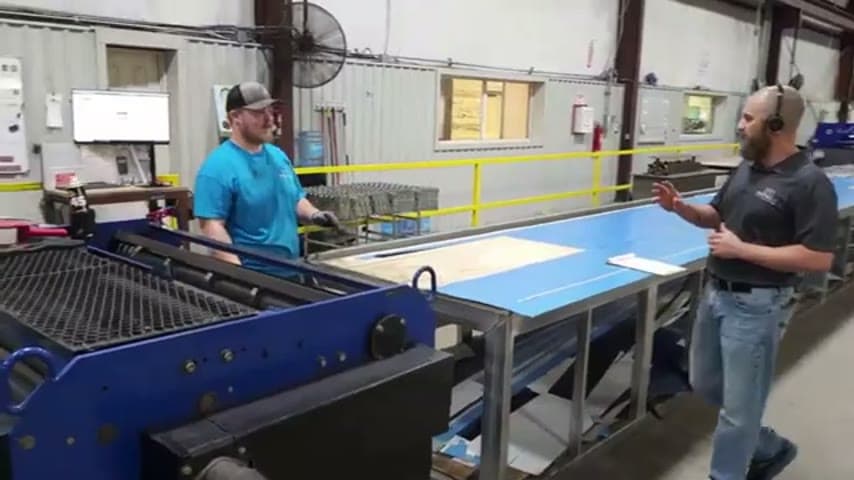
Captured from TheAMEConnect at Southwest Steel Buildings in the video "AME 2 Second Lean Tour: Southwest Steel Buildings", at 00:29:50. On Lean Toolbox. Watch the original video on YouTube ↗