Training Dojo: Timed Puzzles That Build Efficient Motions Before Plant-Floor Work
New hires practice standardized motions on timed puzzle stations until they hit target speed and accuracy before touching real product.
- Creator
 WillytheMinimalist
- Company
- Stamping Plant
- Wastes
New employees learn motions on the line, where slow or sloppy movements create defects, wasted motion, and inconsistent quality until they build skill through trial and error.
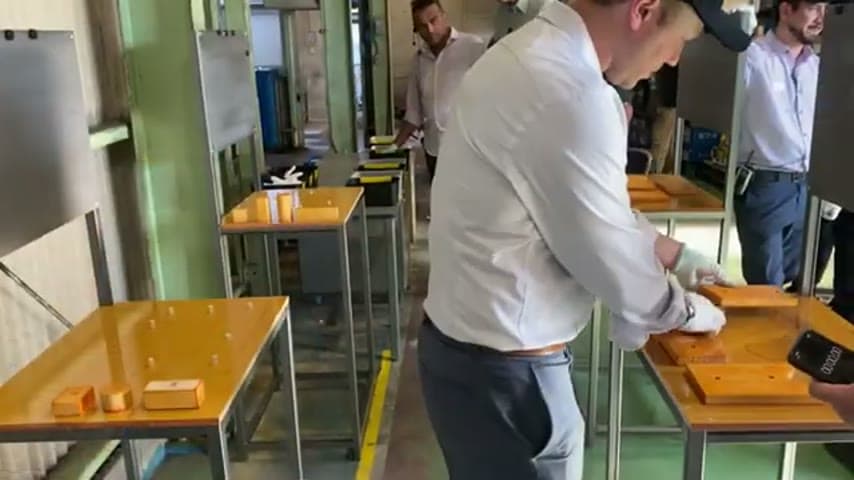
Toyota and Lexus run a small training center called a dojo where employees must complete timed puzzle exercises, measured in seconds, before they are cleared to work on the plant floor.
Standardize and certify the skill before the work, so proven efficient motions are learned off-line, not discovered on the product.
What is a Training Dojo?
A dojo is a dedicated training area where workers practice the exact hand motions, grips, and sequences their job requires. Tasks are broken into small puzzles or drills, and each is timed to a target so progress is objective.
At Toyota and Lexus, employees must pass these timed exercises before they are allowed on the plant floor. The measure is how many seconds it takes to complete each drill, which forces both speed and correct technique.
The dojo makes the right way to move visible and repeatable. Instead of teaching motion informally at the workstation, the plant captures the best-known method and drills every new person against it until they meet the standard.
Why it works
The dojo turns one team's best method into a reusable, testable standard everyone learns before they can add value on real product.
- Proven efficient motions are packaged as drills so knowledge transfers to every new hire the same way.
- Timing gives an objective pass mark, so skill is certified instead of assumed.
- Mistakes and slow habits are worked out on puzzles, not on customer parts, which mistake-proofs early work.
- It develops people (non-utilized talent) by building competence fast rather than leaving it to chance on the line.
How to create this idea
- 1Identify the critical motions
Pick the high-skill or error-prone tasks new hires must master, such as grips, sequences, and hand paths.
- 2Build puzzle drills
Create simple practice exercises that isolate those motions and can be repeated safely away from live product.
- 3Set a time and quality target
Define how many seconds a trained worker should take, plus the accuracy standard they must meet.
- 4Require certification before floor work
Make passing the dojo a gate: no one works on the plant floor until they hit the target.
- 5Refresh the standard
Update drills when the best-known method improves so the dojo always teaches the current best practice.
Best used when
- high-volume manual work
- repeatable manual motions
- onboarding new hires
- quality-critical steps
Less useful when
- one-off custom jobs
- fully automated lines
- highly variable tasks
Products and tools mentioned
- Timed puzzle stations: Exercises measured in seconds to certify speed and technique.
- Training dojo: Dedicated area where employees drill job motions before plant-floor work.
Tags
- Problem
- defectswasted motionslow onboarding
- Lean methods
- standardized worktraining dojomistake-proofing
- Application
- assemblyoperator trainingmanufacturing
Captured from WillytheMinimalist at Stamping Plant in the video "Japan Day 6 Stamping Plant Tour", at 00:05:13. On Lean Toolbox. Watch the original video on YouTube ↗