High Density Plastic Prototype Molds: Recut Mold Features for Fast Design Iteration
Use easy to recut plastic prototype molds with repeatable locating so fit lessons can be reused quickly.
- Creator
 Audacity Micro
- Company
- Henry Holsters
- Wastes
Mold design changes can create waiting, overprocessing, and defects when each fit correction requires a slow or costly recut cycle.
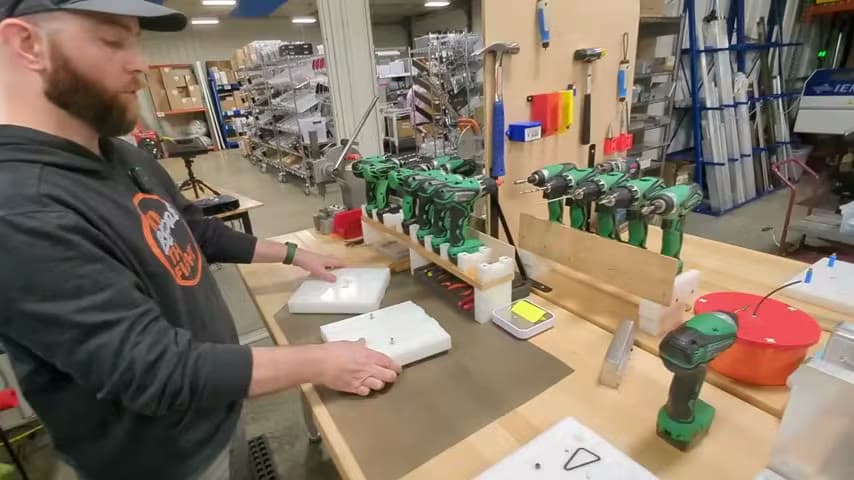
The team prototypes molds in high density plastic, locates them with a four pin pattern, vacuums them down, and recuts only the needed features so they can iterate toward a better fitting product.
Make design learning visible, repeatable, and easy to reuse before the process is locked in.
What is a High Density Plastic Prototype Molds?
A high density plastic prototype mold is a temporary mold used to test and refine product fit before the design is treated as final. The material is chosen because it is quick, cheap, easy to recut, and easy to adjust.
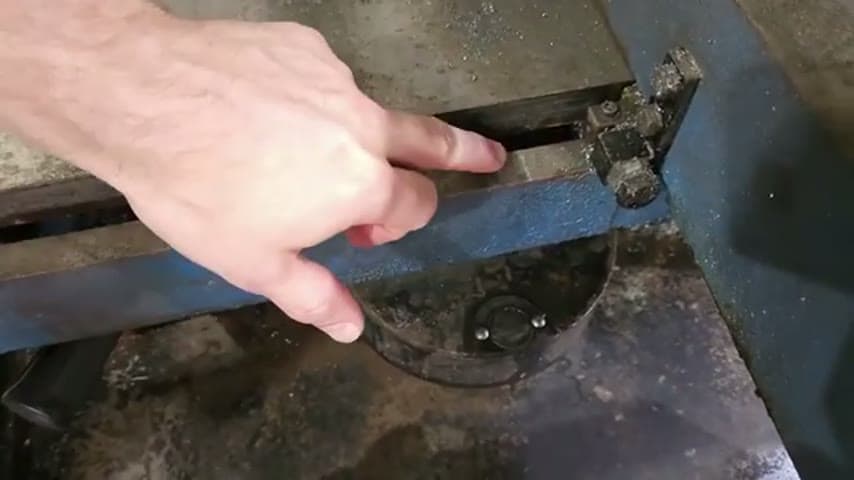
In this example, the mold has a four pin pattern on the bottom. That gives the team a repeatable reference when the mold is put back down for another cut.
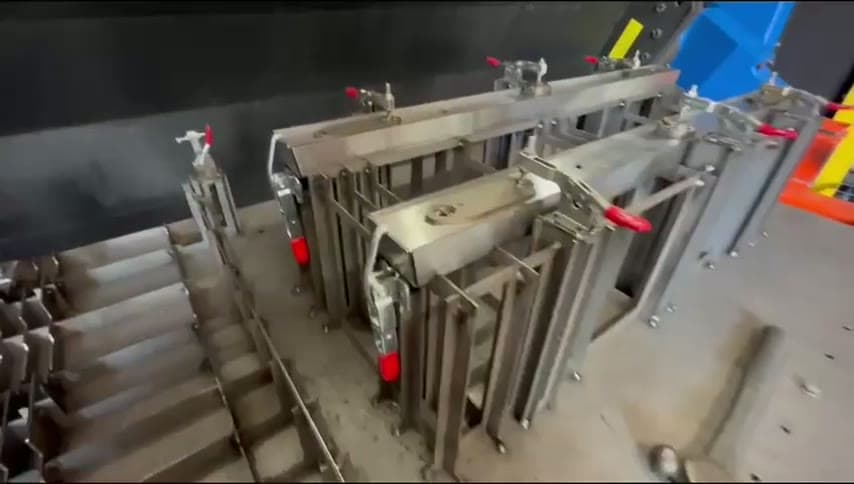
Vacuum workholding holds the mold while selected features are recut. Instead of starting over, the team keeps the useful learning from the last version, changes the features that need correction, and tests again.
Why it works
This works because the mold becomes a reusable carrier of design knowledge, while the locating and hold down method reduce the chance of repeating setup or fit mistakes.
- Knowledge reuse: each prototype keeps what was learned from the last trial, so the team does not re-solve the same fit problem from scratch.
- Added value: effort is focused on improving the product fit, not on overprocessing a mold design before it is proven.
- Mistake proofing: the four pin pattern helps return the mold to a known position for repeatable recuts.
- Fast correction: high density plastic makes it practical to change a few features and learn again without a long cycle.
Evidence: The source says the high density plastic molds are quick and cheap, easy to recut, easy to adjust, and allow rapid iteration toward a better fitting product without a lot of time spent in cycle.
How to create this idea
- 1Choose trial material
Use high density plastic for early mold trials when the main goal is learning and fit improvement. Pick a material that can be cut and recut without making every change feel final.
- 2Add repeatable locating
Build a fixed locating pattern into the mold, such as the four pin pattern shown. The purpose is to put the mold back in the same reference position for each recut.
- 3Use secure hold down
Hold the mold with vacuum workholding or another reliable method during recutting. A stable hold helps protect the test from setup variation.
- 4Recut only needed features
When a fit issue is found, change the specific features that need correction. Preserve the parts of the mold that already work so previous learning is reused.
- 5Repeat the learning cycle
Test the updated mold, note what changed, and repeat until the fit is better. Treat each version as captured knowledge for the next iteration.
Best used when
- mold prototyping
- fit tuning
- frequent changes
- early trials
Less useful when
- proven designs
- no recuts needed
- final tooling decisions
- plastic not suitable
Products and tools mentioned
- High density plastic: Used as the prototype mold material because it is quick, cheap, and easy to recut.
- Locating pins: Used to create a repeatable four pin locating pattern for the mold.
- Vacuum workholding system: Used to vacuum the mold down while selected features are recut.
Tags
- Problem
- defectsoverprocessingwaitingpoor fit
- Lean methods
- knowledge reusemistake proofingrapid iteration
- Application
- mold makingprototypingproduct design
Captured from Audacity Micro at Henry Holsters in the video "THIS is what a LEAN shop looks like - Lean Machine Shop Tour", at 00:06:26. On Lean Toolbox. Watch the original video on YouTube ↗