Work Cell Standard Instructions: Post Answers Where Operators Need Them
Each work cell displays the basic instructions and expected standard so operators can answer common questions at the station.

- Creator
 WillytheMinimalist
- Company
- Hunter Trim & Cabinets Inc.
- Wastes
Operators, especially new employees, can guess, interrupt others, or leave the station when the correct method and expected standard are not visible where the work is done.
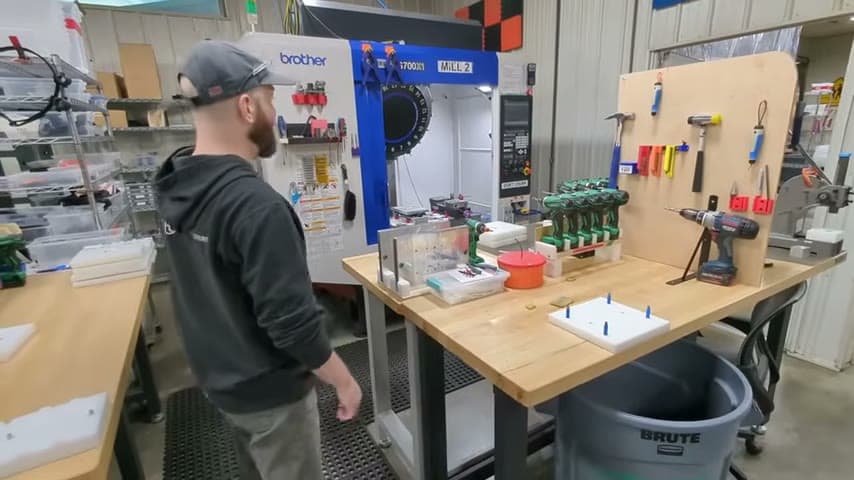
The team posted standard operating procedures at each work cell with the basic instructions and the expected standard. They reinforced the system with red labels, visual controls, and tools color coded to the work cell they belong to.
Make proven knowledge visible at the point of use so it is reused consistently.
What is a Work Cell Standard Instructions?
Work cell standard instructions are short, visible standard operating procedures posted at the station where the work happens. They show the basic instructions, the expected standard, and the answers to common questions an operator is likely to have during the job.
In this example, each cell has its standard operating procedure at the cell. The workplace also uses red labels, visual controls, and tools color coded to the work cell they belong to, so the station itself explains what is expected.
The purpose is not to create paperwork. The purpose is to turn proven know how into a reusable reference that helps new employees learn quickly and helps experienced operators stay aligned to the current standard.
Why it works
This works because it captures proven knowledge and makes it reusable at the exact point where decisions are made.
- Knowledge reuse: operators do not have to re-ask or re-solve common process questions because the approved answer is posted at the cell.
- Added value: new employees can learn the basic instructions and expected standard faster, while experienced employees stay aligned to the same method.
- Mistake-proofing: visible standards, red labels, and color coded tools make the correct method and correct location harder to miss.
- Talent use: experienced people spend less time answering repeat questions and more time improving the work.
Evidence: The transcript says each cell has standard operating procedures, basic instructions, and the expected standard, so a new employee can learn quickly because the answers to likely questions are available.
How to create this idea
- 1Choose one cell
Start where operators ask repeat questions, where new employees struggle, or where missed standards create defects. Keep the first version small and practical.
- 2Collect real questions
Ask operators what they need to know during the job. Include the questions a new employee would ask before guessing.
- 3Write the standard
Document the basic instructions and the expected result in plain language. Confirm the wording with the people who do the work and own the process.
- 4Post it at the station
Place the instruction where the operator can see it while working. Keep it short enough to scan during the task.
- 5Add visual controls
Use labels and color coding only where they clarify the standard. For example, mark tools so it is clear which work cell they belong to.
- 6Use it for training
Train new employees to use the posted instruction as the first place to look for answers. Update the instruction when their questions show that something is unclear.
- 7Keep it current
Assign an owner for each posted standard. Change the posted instruction whenever the method or expected standard changes.
Best used when
- repeat questions
- new employee training
- cell based work
- visible standards
- shared workstations
Less useful when
- one time work
- no agreed standard
- rapidly changing process
- outdated instructions
Products and tools mentioned
Tags
- Problem
- defectsrepeat questionstraining gaps
- Lean methods
- standard workvisual managementmistake proofing
- Application
- work cellstrainingproduction
Captured from WillytheMinimalist at Hunter Trim & Cabinets Inc. in the video "Lean Tour of Hunter Trim & Cabinets Inc.", at 00:02:47. On Lean Toolbox. Watch the original video on YouTube ↗