Balanced Machine Cell: Standardize Prep, Unload, Inspect, and Move-On Tasks at the Machine
Balance support work at short cycle machines so operators reuse one proven routine for preparing, unloading, inspecting, and moving parts on.
- Creator
 Audacity Micro
- Company
- Henry Holsters
- Wastes
Short cycle machining can leave support tasks scattered and uneven. Prep, unloading, inspection, and move-on decisions get handled differently by each operator, which creates waiting, shuffling, missed checks, and weak handoffs.
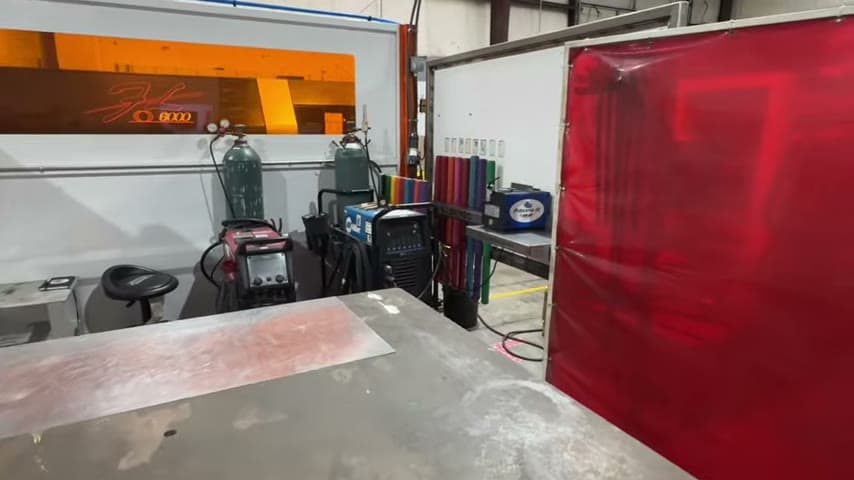
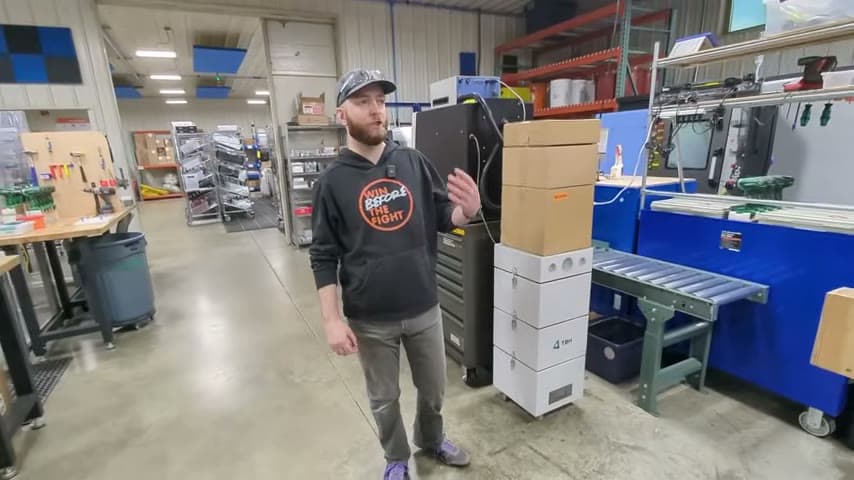
The team balanced the surrounding tasks in the machine cell, right at the machine. For metal parts running on equipment such as a dual spindle lathe, CNC machining centers, twin table machining centers, and rotary tables, the operator follows a defined routine for prep, unload, inspect, and move-on work during short cycle production.
Make the proven cell routine visible, repeatable, and reusable.
What is a Balanced Machine Cell?
A balanced machine cell is a workstation where the machine cycle and the operator's support tasks are designed as one repeatable system. The operator has a clear sequence for what to prepare, what to unload, what to inspect, and where the part goes next.
In this example, the team is producing metal parts on a dual spindle lathe and Brother machining centers, including twin table R series machines and machines with T200 rotary tables for multi-sided work. The transcript notes that this is especially useful for relatively short cycle work.
The point is not only to stay busy. The point is to capture the best known way to run the cell so each operator can reuse the same method, add value during the cycle, and avoid missed or repeated steps.
Why it works
Balancing the cell turns scattered operator knowledge into a reusable standard that supports value creation and mistake-proofing.
- It makes the best sequence visible, so operators do not have to reinvent how to run the cell each time.
- It adds value during the machine cycle by assigning useful prep, unload, inspect, and move-on work.
- It mistake-proofs the handoff by building inspection and move-on into the routine instead of leaving them to memory.
- It reduces variation because similar short cycle jobs can reuse a proven cell pattern.
Evidence: The transcript says that on relatively short cycle work, the team can balance other operations in a cell right at the machine.
How to create this idea
- 1List the cell work
Write down every support task around the machine, including prep, unload, inspection, and move-on. Separate required work from extra handling or unclear decisions.
- 2Compare to the cycle
Observe the machine cycle and the operator work together. Look for support tasks that can be done safely and consistently while the machine is running.
- 3Define one sequence
Put the tasks in the best known order. Keep the sequence simple enough that any trained operator can repeat it.
- 4Build in inspection
Place the required check in the cell routine. Make it clear when the part is inspected and what happens if it does not pass.
- 5Standardize move-on
Define where completed parts go next and how they are presented. This prevents piles, missed handoffs, and repeated decision making.
- 6Update the standard
After running the cell, adjust the routine when the team finds a better method. Capture the change so the learning is reused.
Best used when
- short cycle machining
- repeat parts
- machine cells
- in-process inspection
- frequent handoffs
Less useful when
- very long cycles
- one-off work
- unclear checks
- unsafe access
Products and tools mentioned
- CNC machining center: Used for metal parts production where support tasks can be balanced at the machine.
- Dual spindle lathe: Used for metal parts production in the machine cell.
- Rotary table: Used on the machining centers for multi-sided work.
- Twin table machining center: Used for short cycle work where the cell can support continuous prep and unload routines.
Tags
- Problem
- waitingmotionhandoff errors
- Lean methods
- standard workcell designmistake proofingknowledge reuse
- Application
- machininginspectionparts flow
Captured from Audacity Micro at Henry Holsters in the video "THIS is what a LEAN shop looks like - Lean Machine Shop Tour", at 00:04:53. On Lean Toolbox. Watch the original video on YouTube ↗